BA Media, Film & and Journalism
About this course
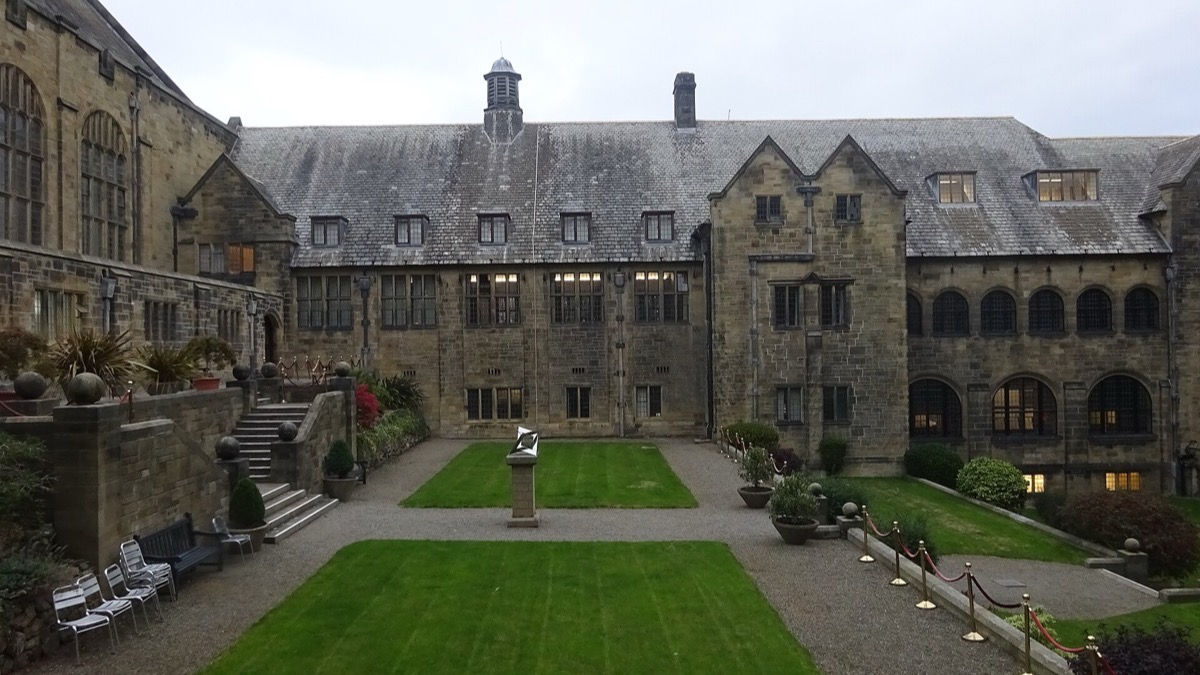
Media, film and journalism together form a broad and interconnected field of study that examines how stories, images and information are produced, distributed and consumed in a world shaped by digital platforms and constant technological change. Media studies provides conceptual and critical tools for understanding the industries, institutions and cultural dynamics of contemporary communication. Film studies examines moving image as both an art form and an industry, asking how films make meaning and how they function within social and cultural life. Journalism develops the practical and ethical skills needed to gather, verify and communicate information to public audiences responsibly and effectively. At Bangor University this three-year, full-time programme brings all three strands together, equipping you with both the critical understanding and the practical capabilities to engage with this rapidly evolving field. You will develop skills in writing, reporting, editing, digital production, video and audio journalism alongside the theoretical frameworks that help you analyse and situate these practices within wider debates about media power, representation, audience and democracy. The programme includes a foundation year for those who would benefit from additional preparation before the main degree, as well as a sandwich placement year, a year abroad and work placements, giving you direct experience in media and journalism settings and an international perspective on the field. Graduates pursue careers in journalism, broadcasting, digital content creation, film production, social media management, public relations, communications, marketing, documentary making and media research. Some move into roles in cultural institutions, NGOs or public sector communications, while others build freelance careers across several media forms. Postgraduate study in journalism, media studies, film, communications or related fields is a further option for those wishing to specialise or pursue academic careers. The combination of critical thinking, practical skills and media literacy the degree develops is increasingly valued across a wide range of professional contexts.
Syllabus & Modules
Typical curriculumStudent Satisfaction
National Student Survey - 25 respondents (75% response rate)
Similarly Ranked Alternatives



What comes next? 🎓
Choosing the right university starts with choosing the right school. Explore transparent, data-driven school profiles powered by official DfE statistics.
Explore Schools on WhatSchool.ai →