High Drop-out Rate Alert
20% of students drop out or transfer from this specific course. Consider asking why on an open day.
BA Media and English Literature
About this course
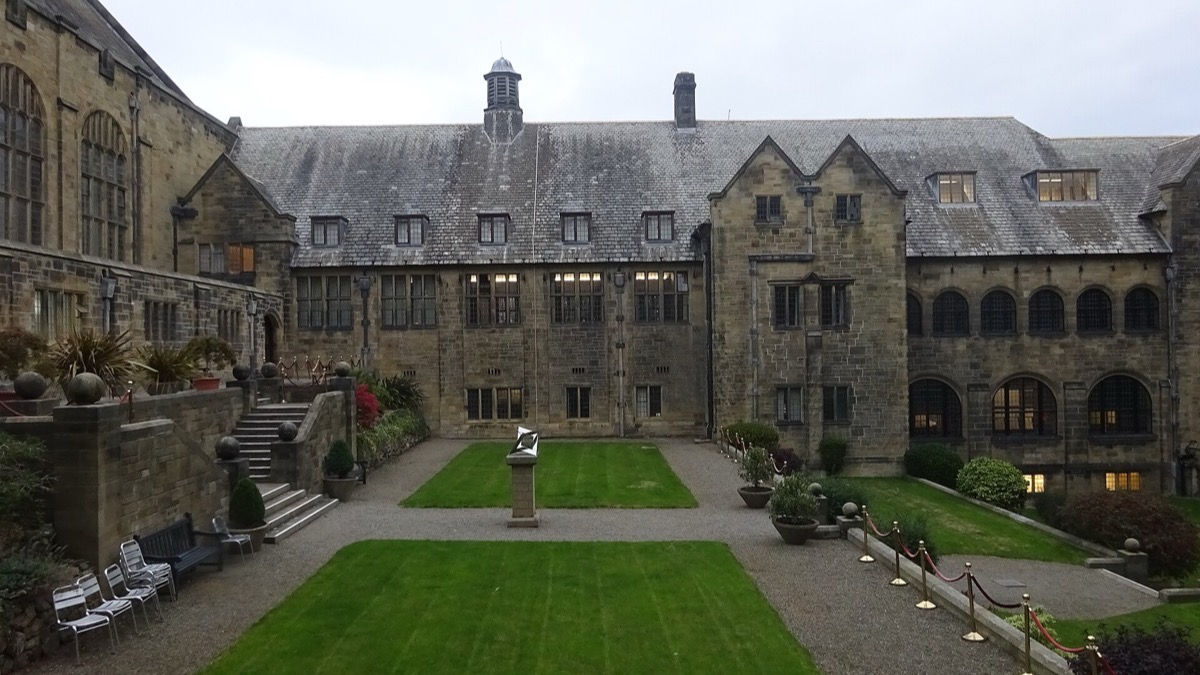
Media and English literature is a combination that addresses two of the most significant forms through which culture is communicated and meaning is made. English literature develops your ability to read carefully, interpret closely and think critically about how texts work, from the novel and the poem to drama and autobiography, and about what they reveal of the societies and sensibilities that produced them. Media studies examines the institutions, technologies, formats and cultural logics through which contemporary communication is organised, from broadcast television and film to social media, digital journalism and audio-visual content. Bangor University's programme in media and English literature runs over three years full time and includes a foundation year built into its structure, which provides a supported entry point for students developing their academic and creative preparation before the full degree. The programme also includes a sandwich year with embedded work placement opportunities and a year abroad, making it one of the more experience-rich programmes in this area. The typical entry tariff is around 120 UCAS points. You will study English literature across periods and forms alongside media theory, the history of media technologies, journalism, representation, digital media and screen culture. The two disciplines complement each other well: the close reading skills developed in literary study are directly applicable to the analysis of film, television and digital media, while media studies provides a sociological and cultural perspective that enriches your understanding of literary production and reception. Bangor's location in North Wales, with its distinctive cultural and linguistic character, adds a particular dimension to both the literary and media curricula. Graduates of media and English literature programmes work in journalism, broadcasting, digital media, content creation, publishing, public relations, marketing, education, arts administration and the creative industries. Many find that the combination of textual rigour and media literacy gives them a distinctive profile in competitive graduate recruitment. The placement and international study experience adds further professional and cultural depth. Postgraduate study in English literature, media studies, journalism, creative writing or publishing is a natural next step for those who wish to specialise.
Syllabus & Modules
Typical curriculumStudent Satisfaction
National Student Survey - 20 respondents (72% response rate)
Similarly Ranked Alternatives



What comes next? 🎓
Choosing the right university starts with choosing the right school. Explore transparent, data-driven school profiles powered by official DfE statistics.
Explore Schools on WhatSchool.ai →