BSc Marine Biology
About this course
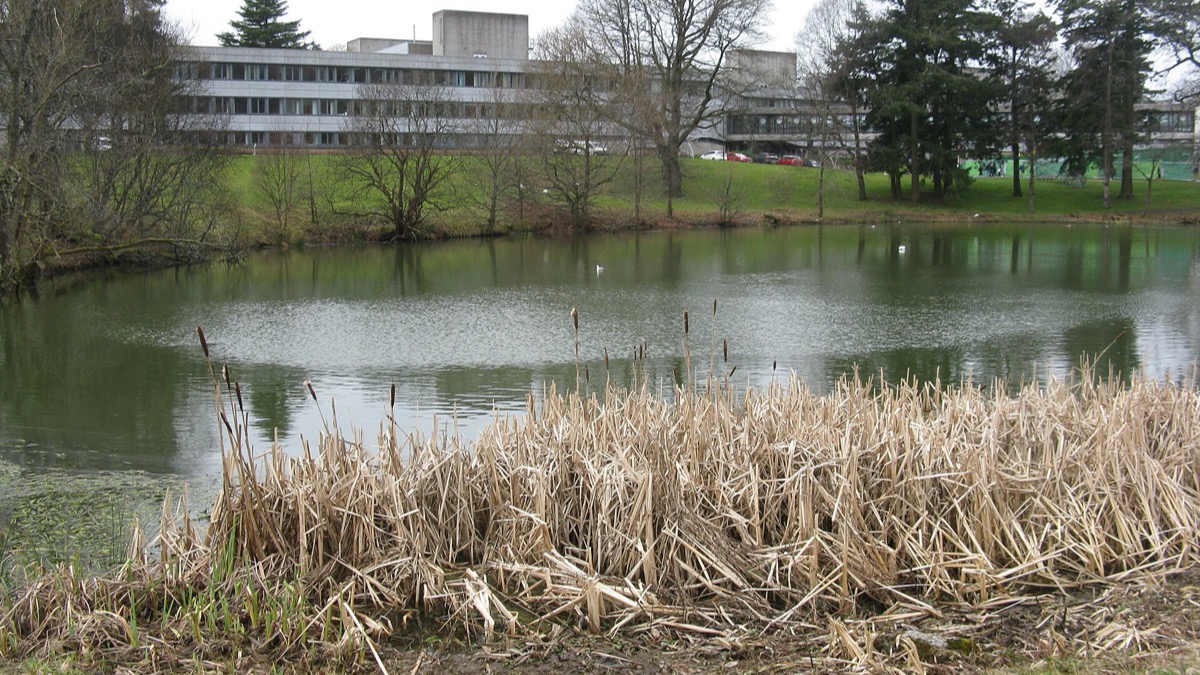
Marine biology is the study of life in the ocean and other saltwater environments, from microscopic phytoplankton and bacteria to whales, coral reefs and the ecosystems of the deep sea. The ocean is the largest and least understood biome on Earth, home to an extraordinary diversity of life and a fundamental regulator of global climate, atmospheric composition and the water cycle. Marine biologists work to understand these ecosystems, the species they contain, and the pressures they face from human activity, overfishing, pollution, warming and acidification. The discipline draws on ecology, evolutionary biology, physiology, biochemistry, oceanography and conservation science. At the University of Stirling, this four-year full-time programme includes a year abroad, giving you experience of marine biological study and research in an international context. Stirling's location on the Scottish coast provides direct access to marine environments for fieldwork, and the university's research strengths in aquatic sciences and sustainability give you an excellent environment for developing as a marine scientist. You will study the biology of marine organisms, marine ecology, oceanography, conservation biology, research methods and the environmental challenges facing marine systems, developing both laboratory and field skills alongside theoretical understanding. Graduates of marine biology programmes go on to careers in marine conservation, environmental consultancy, fisheries management, aquaculture, marine environmental assessment, government environmental agencies, research institutions and science communication. The quantitative and research skills developed transfer into data science, environmental monitoring and related technical roles. Many graduates continue to postgraduate study at master's or doctoral level in marine biology, ecology, oceanography or conservation science, and some pursue academic research careers.
Syllabus & Modules
Typical curriculumStudent Satisfaction
National Student Survey - 10 respondents (73% response rate)
Similarly Ranked Alternatives



What comes next? 🎓
Choosing the right university starts with choosing the right school. Explore transparent, data-driven school profiles powered by official DfE statistics.
Explore Schools on WhatSchool.ai →