High Drop-out Rate Alert
25% of students drop out or transfer from this specific course. Consider asking why on an open day.
MA Italian/ Theology & Religious Studies
About this course
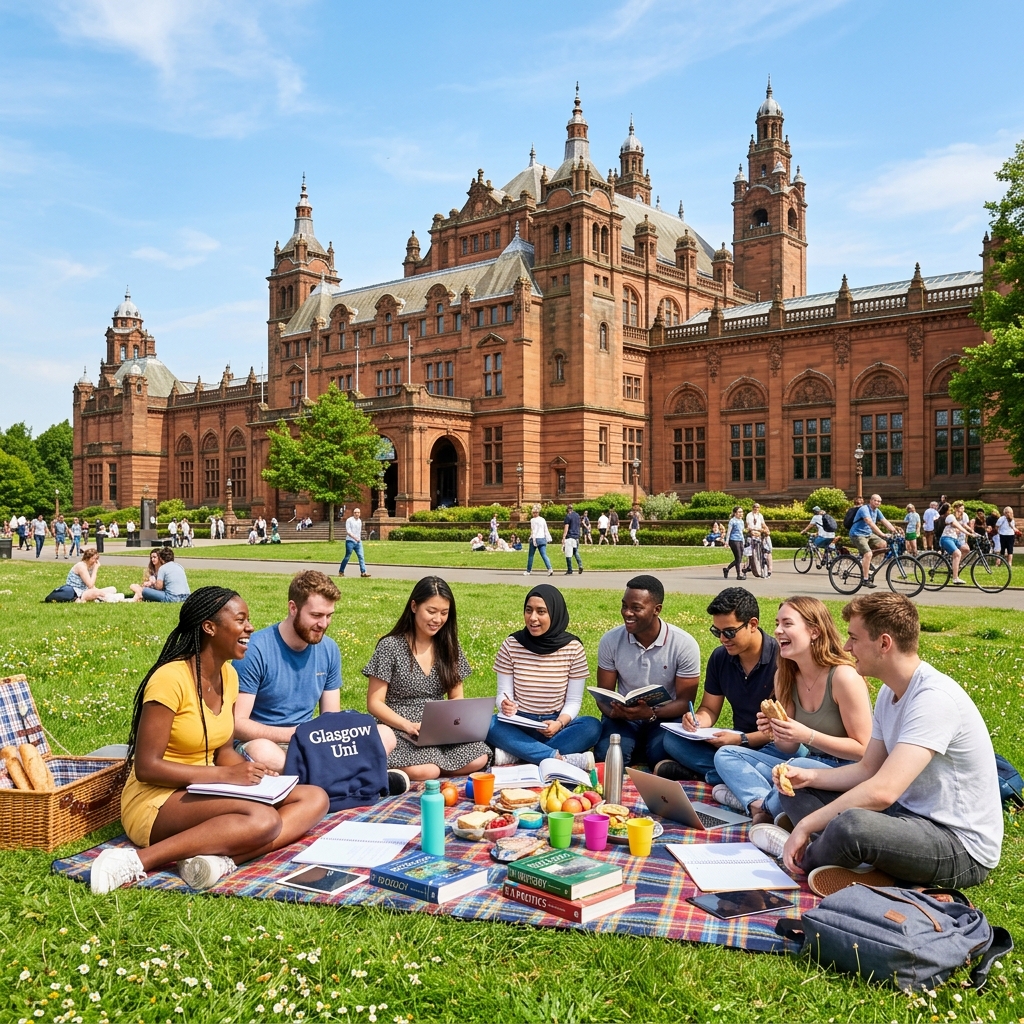
Italian and Theology and Religious Studies is a pairing that opens a particularly rich intellectual territory, because Italy has been a central site of Western religious and cultural history for two millennia. The city of Rome was the capital of an empire that transformed under Christianity and became the heart of the Catholic Church, whose influence shaped European civilisation across art, philosophy, law, and politics. Italian is not just the language of a modern country but the language of Dante, the Council of Trent, the Vatican, and a literary tradition that intertwines profoundly with religious thought and imagery. At the University of Glasgow, this five-year, full-time programme develops your Italian language skills to a high level while also giving you a serious academic grounding in theology and religious studies. You will engage with Italian literature, culture, history, and contemporary life, developing linguistic competence across all four skills, alongside the study of religious texts, theological traditions, the comparative study of world religions, and the philosophical questions about ultimate meaning and moral value that theology addresses. A sandwich year with a work placement is integrated into the programme, giving you professional experience in a relevant context, which might include cultural institutions, religious organisations, or educational settings. Graduates of this combination go on to careers in education, the church and other religious organisations, chaplaincy, publishing, cultural management, journalism, heritage, and international work. The Italian language opens professional opportunities across Italy and the Italian-speaking world, as well as in Vatican-related institutions and international Catholic organisations. Many graduates continue to postgraduate study in Italian, theology, religious studies, or ethics, developing their specialism further in an area that remains one of the most profound in the humanities.
Syllabus & Modules
Typical curriculumStudent Satisfaction
National Student Survey - 10 respondents (92% response rate)
Similarly Ranked Alternatives


What comes next? 🎓
Choosing the right university starts with choosing the right school. Explore transparent, data-driven school profiles powered by official DfE statistics.
Explore Schools on WhatSchool.ai →