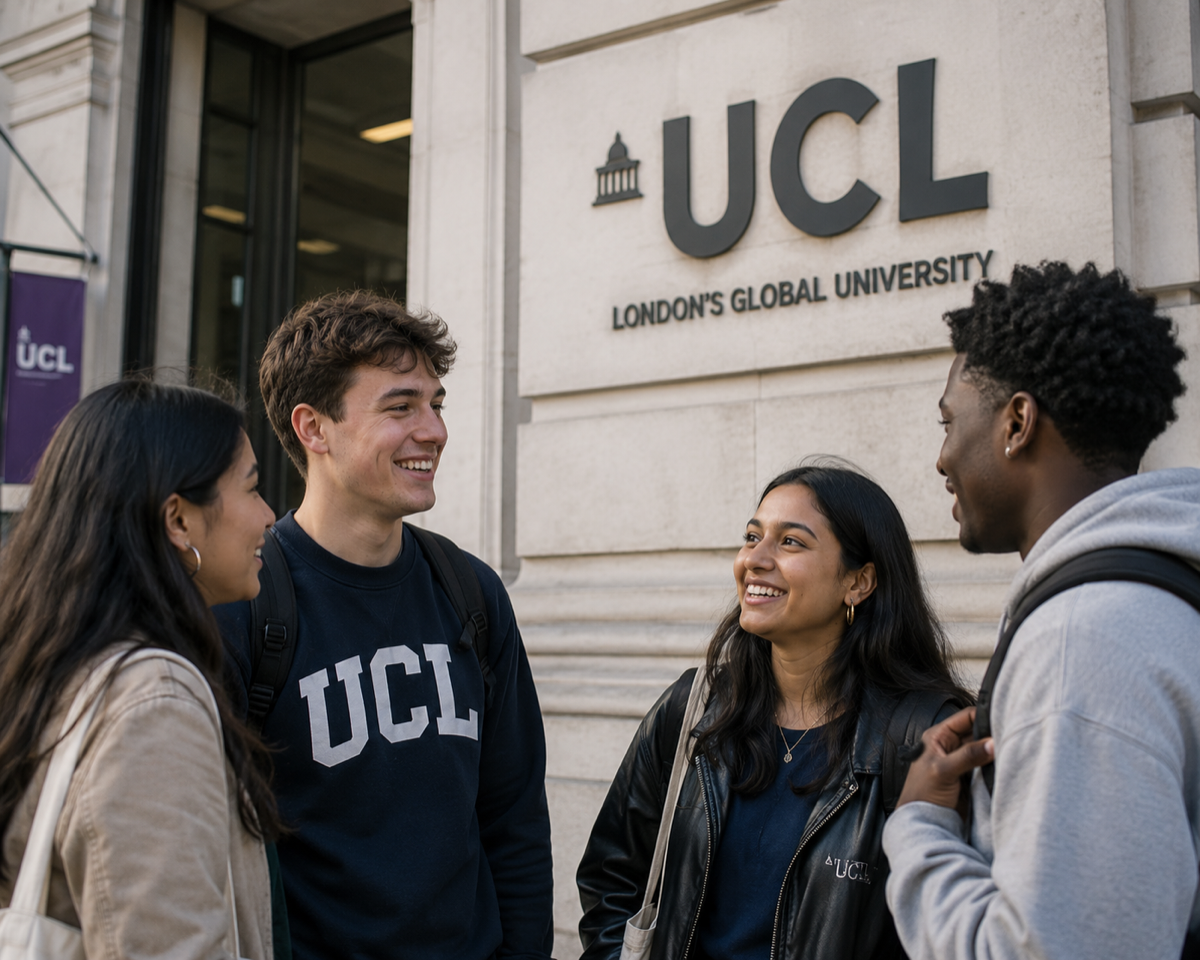
BA Italian and Serbian/Croatian
About this course
Italian and Serbian/Croatian is an unusual combination that pairs one of the world's great Romance languages with the most widely spoken of the South Slavic languages. Italian carries the heritage of ancient Rome, the Renaissance, Dante and Petrarch, and a cultural tradition of extraordinary richness. Serbian and Croatian, which share a largely common linguistic base while reflecting distinct historical and cultural identities, are central to understanding the Western Balkans, a region of significant contemporary geopolitical importance whose twentieth-century history of conflict, dissolution, and reconstruction is among the most dramatic in Europe. At University College London, this four-year full-time degree is taught within the School of Slavonic and East European Studies, one of the world's leading centres for the study of Central and Eastern European languages and cultures, combined with UCL's Italian studies provision. Both languages can be studied from beginner or advanced level depending on your prior experience. You will develop high communicative competence in both Italian and Serbian/Croatian alongside engagement with the literary, cultural, and historical traditions of both regions, from the medieval and early modern periods to contemporary literature, film, and society. UCL's research strengths and London's cultural and diplomatic communities enrich the programme throughout. Graduates in Italian and Serbian/Croatian go on to work in translation, diplomacy, journalism, international organisations, academia, NGOs, and roles in businesses with interests in Italy, the Balkans, and the wider region. The unusual combination of a major Romance language with a significant South Slavic language is genuinely rare and valued wherever organisations need to operate across these cultural contexts. Many graduates continue to postgraduate study in Italian studies, South Slavic languages, or area studies, and some pursue careers in the diplomatic or intelligence services.
Syllabus & Modules
Typical curriculumStudent Satisfaction
National Student Survey - 15 respondents (70% response rate)
Similarly Ranked Alternatives



What comes next? 🎓
Choosing the right university starts with choosing the right school. Explore transparent, data-driven school profiles powered by official DfE statistics.
Explore Schools on WhatSchool.ai →