High Drop-out Rate Alert
30% of students drop out or transfer from this specific course. Consider asking why on an open day.
BEng Instrumentation and Control Engineering (with Foundation Year)
About this course
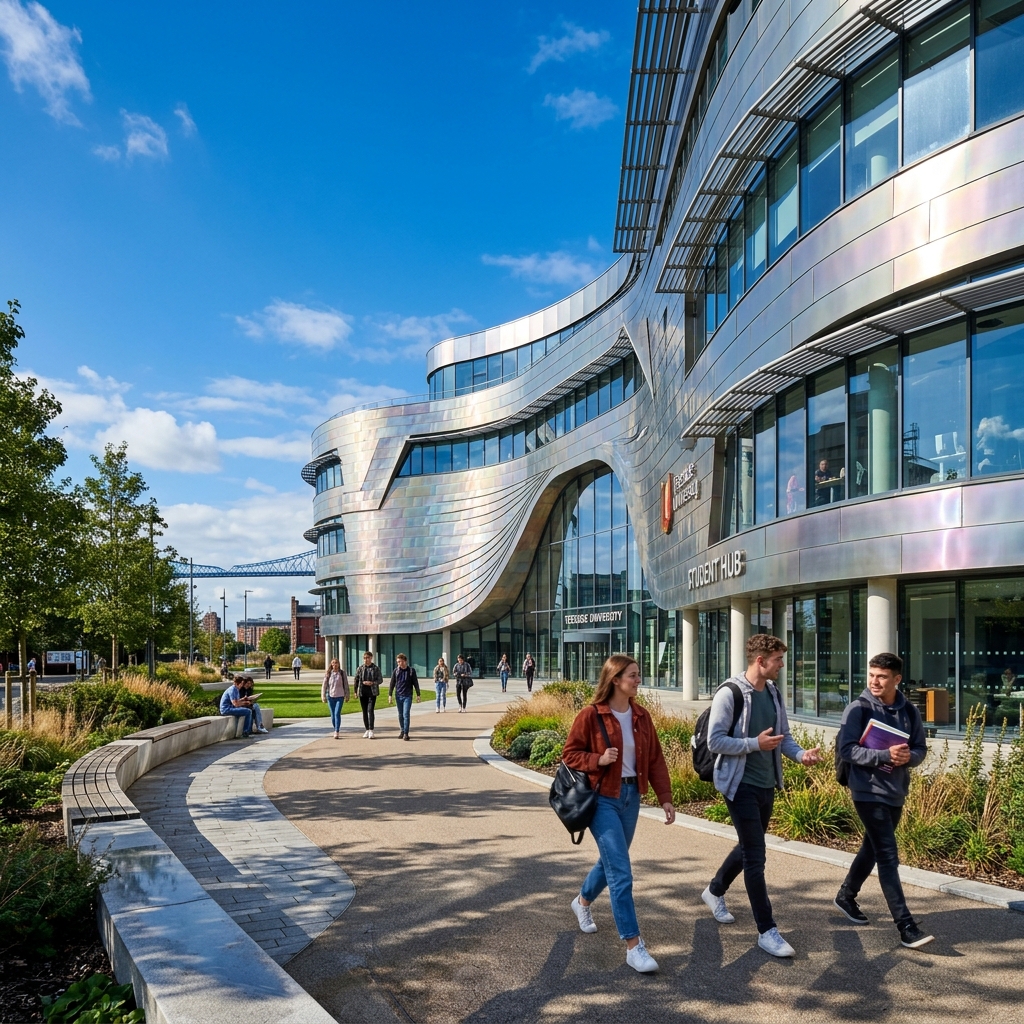
Instrumentation and control engineering is the branch of engineering concerned with measuring physical quantities, interpreting the resulting data, and using it to control industrial and automated systems. Instruments measure everything from temperature, pressure, and flow rate in a chemical plant to the position and velocity of components in a robotic assembly line. Control engineering uses the signals from those instruments to manage processes automatically, maintaining stability, precision, and efficiency in systems that would be impossible to operate reliably by hand. The field underpins modern manufacturing, energy production, petrochemical processing, and the increasingly automated systems across every sector of the economy. At Teesside University, this four-year, full-time programme includes a sandwich year and work placement opportunities, along with a foundation year element built into the structure. The programme introduces you to the design process in engineering, covering techniques including modelling, simulation, formal engineering drawing, and design calculation. You will study the mechanical and electrical components of control and instrumentation systems, developing an understanding of how they are designed, specified, and integrated. You will use mathematical modelling software to build models of engineering problems and simulate how those systems respond under different conditions. As you progress through the degree, you will develop the ability to design and analyse instrumentation and control solutions for real industrial applications. The typical entry tariff is 88 UCAS points. Graduates of instrumentation and control engineering are in demand across manufacturing, oil and gas, chemicals, pharmaceuticals, power generation, water treatment, and the rapidly growing field of automated systems and the internet of things. Roles include control systems engineer, instrumentation engineer, automation engineer, process engineer, and systems analyst. Many graduates pursue chartered engineer status through professional bodies. Postgraduate study in control engineering, automation, or systems engineering provides a route for those who wish to specialise further or move into research.
Syllabus & Modules
Typical curriculumStudent Satisfaction
National Student Survey - 15 respondents (100% response rate)
Similarly Ranked Alternatives

What comes next? 🎓
Choosing the right university starts with choosing the right school. Explore transparent, data-driven school profiles powered by official DfE statistics.
Explore Schools on WhatSchool.ai →