High Drop-out Rate Alert
30% of students drop out or transfer from this specific course. Consider asking why on an open day.
BEng Instrumentation and Control Engineering
About this course
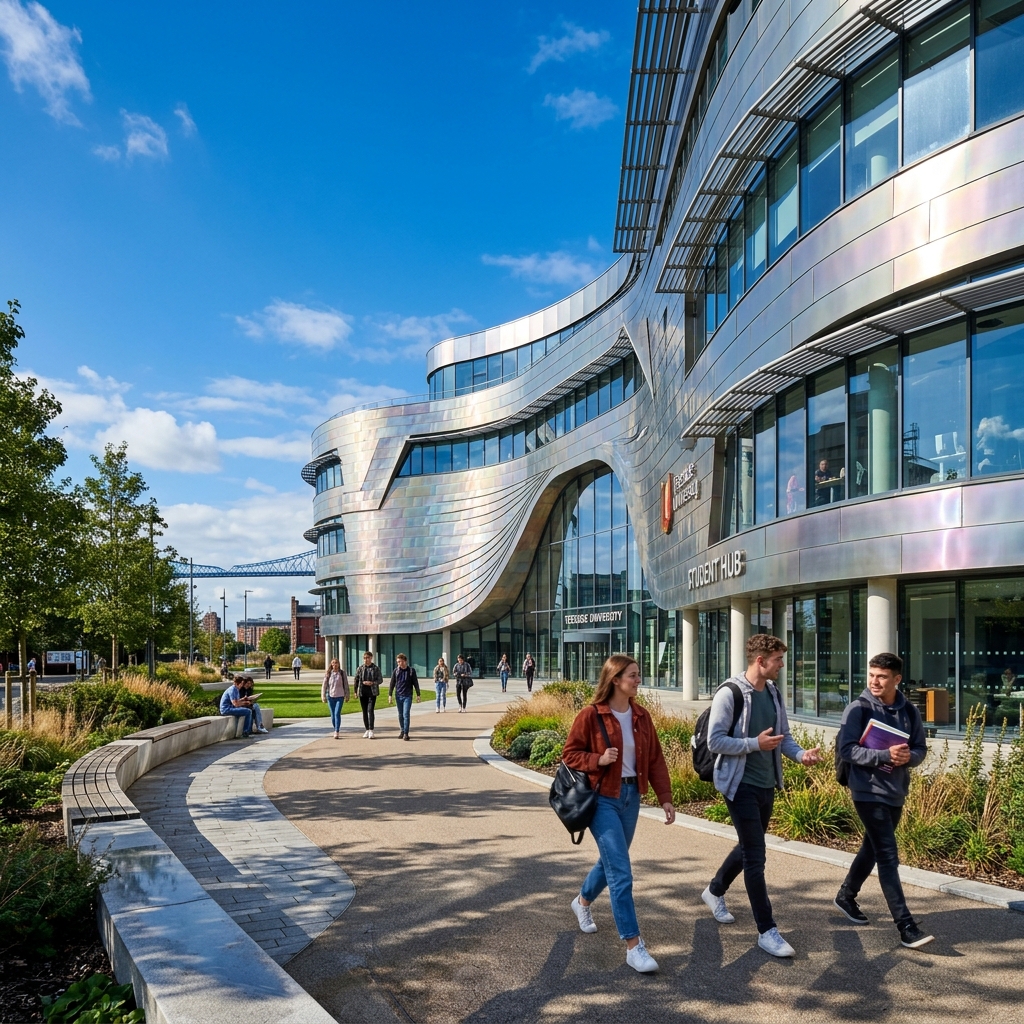
Instrumentation and control engineering is concerned with the systems used to measure, monitor, and regulate industrial and technological processes. From the sensors that detect temperature, pressure, and flow in a chemical plant to the control algorithms that keep an aircraft stable in flight, this discipline ensures that complex processes operate safely, efficiently, and within the parameters required. It is a field that combines electrical engineering, electronics, mathematics, and computer science, and it is central to the operation of industries including oil and gas, pharmaceuticals, power generation, water treatment, and advanced manufacturing. At Teesside University, this three-year, full-time programme includes a sandwich placement year and work placement, giving you substantial professional experience in an engineering environment before you graduate. You will study the fundamentals of electrical engineering and circuit theory, including the behaviour of analogue and digital circuits, signal processing, and the mathematical analysis of engineering systems. From this foundation, you will progress into instrumentation principles, control systems design, process measurement, programmable logic controllers, and the integration of hardware and software in automated systems. Teesside's close connections with the process industries of the Tees Valley, one of the UK's most significant areas for chemical and process engineering, provide a distinctive context for study and placement opportunities. A typical entry tariff of 88 points reflects an accessible admissions threshold for a technically demanding programme. Graduates from instrumentation and control engineering go on to careers as control and instrumentation engineers, automation specialists, process engineers, systems engineers, and technical consultants in the process and manufacturing industries. The skills developed are also valued in robotics, defence systems, aerospace, and the energy sector. Professional registration as a chartered engineer is a common long-term goal, and postgraduate study in control engineering, automation, or related fields is an option for those who wish to develop their expertise further.
Syllabus & Modules
Typical curriculumStudent Satisfaction
National Student Survey - 15 respondents (100% response rate)
Similarly Ranked Alternatives


What comes next? 🎓
Choosing the right university starts with choosing the right school. Explore transparent, data-driven school profiles powered by official DfE statistics.
Explore Schools on WhatSchool.ai →