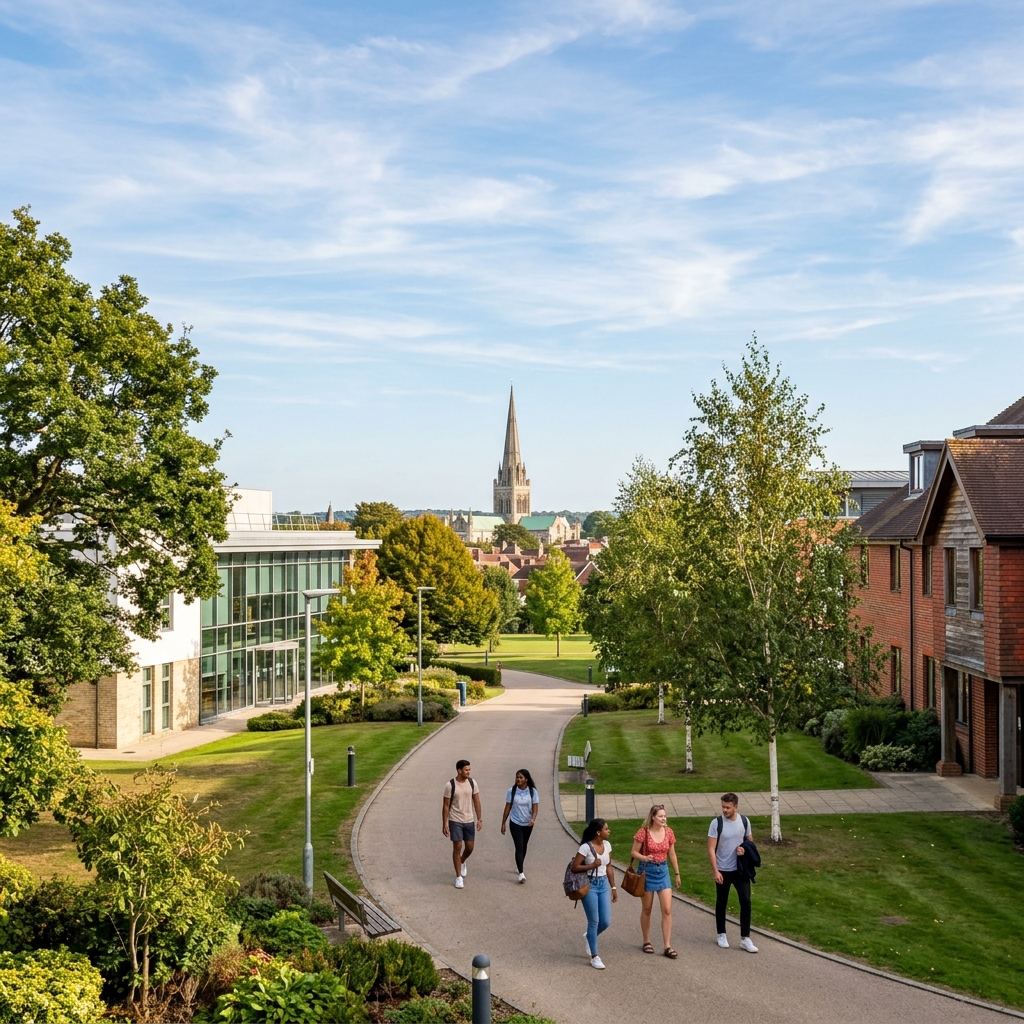
BA Humanistic Counselling
About this course
Humanistic counselling draws on the tradition of person-centred therapy developed by Carl Rogers, emphasising the therapeutic relationship itself as the primary agent of change, and the belief that each person has the innate capacity for growth and self-determination when provided with the right conditions. The humanistic approach values the client's own frame of reference, and the counsellor's role is to provide the core conditions of empathy, unconditional positive regard, and congruence that enable the client to access their own resources and move toward greater wellbeing. At the University of Chichester, this part-time programme is structured so that you become a practising counsellor on successful completion of the professional and academic requirements of Years 1 and 2, before your critical understanding of professional and ethical practice and your development as an independent practitioner is further deepened through Years 3 and 4. You will attend university one day per week, complete supervised practice placements in a variety of contexts, and receive 20 hours of personal therapy each academic year, reflecting the programme's commitment to the personal as well as the professional development of the counsellor. This intensive structure is designed to produce robust, reflective, and ethically grounded practitioners. Graduates who complete the programme go on to practise as counsellors in NHS primary care and mental health services, voluntary sector counselling organisations, employee assistance programmes, private practice, educational settings, and charitable organisations. Many counsellors work in independent practice, building a caseload over time, often alongside other therapeutic or supporting roles. Those who wish to advance their professional standing may pursue further qualifications, including accreditation with the British Association for Counselling and Psychotherapy or further postgraduate study in psychotherapy or counselling psychology.
Syllabus & Modules
Typical curriculumStudent Satisfaction
National Student Survey - 20 respondents (95% response rate)
What comes next? 🎓
Choosing the right university starts with choosing the right school. Explore transparent, data-driven school profiles powered by official DfE statistics.
Explore Schools on WhatSchool.ai →