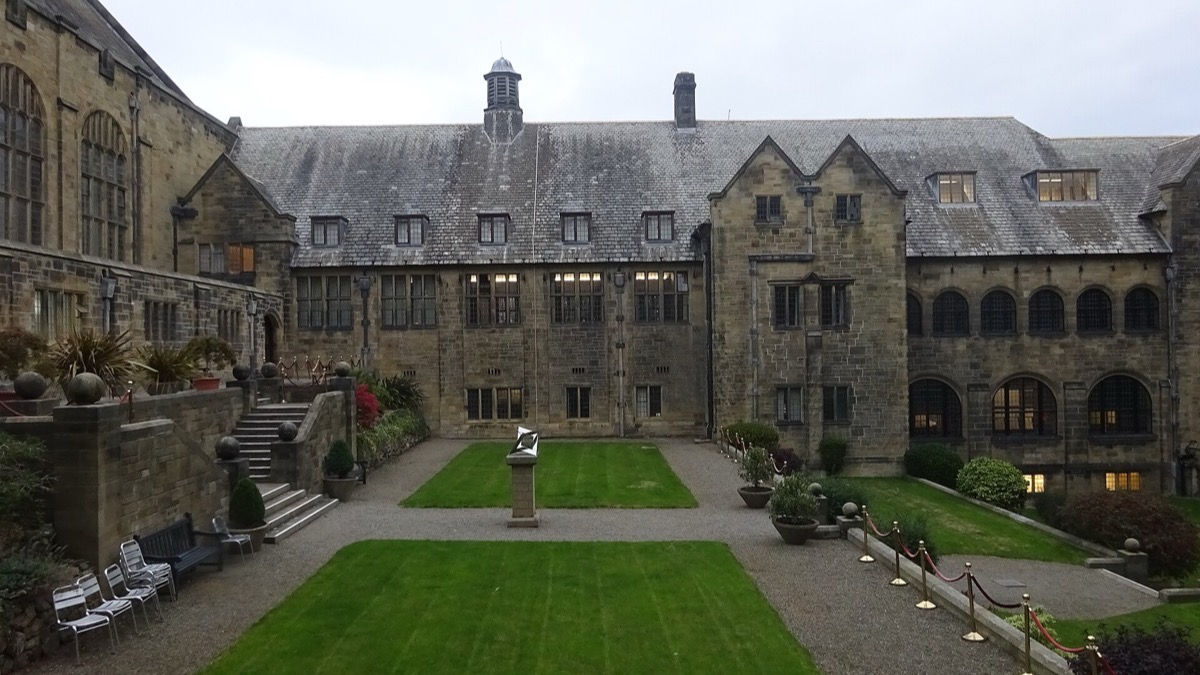
BA History
About this course
History is the discipline that asks how we know what we know about the past, and why it matters to the present. At Bangor University, the BA History programme is designed to develop your capacity to think critically about evidence, challenge received accounts, and place events in their wider political, social, cultural, and economic contexts. The degree runs over three years of full-time study and includes a foundation year for students who need additional preparation before entering the main programme. A sandwich year is available, giving you the opportunity to gain professional experience during your studies, and a year abroad can take your learning into an international academic environment. Work placement is also part of what the degree offers. Studying history at degree level means learning to work with sources that are incomplete, contested, and shaped by the perspectives of those who created them. You will develop the habit of reading critically, asking not just what a document says but who produced it, for what purpose, and what it might be concealing as much as revealing. The discipline draws on related fields including sociology, economics, geography, and literature, making historians unusually versatile thinkers. At Bangor, you will have access to a department with particular strengths in Welsh and British history, as well as broader European and world history, giving you a range of periods and places to explore as your interests develop. The skills history develops, most importantly the ability to research independently, construct arguments from evidence, and communicate complex ideas in clear prose, are valued across a very wide range of careers. Many graduates move into education, the civil service, public administration, heritage and museums, journalism, law, and the voluntary sector. The professional experience available through the sandwich year and placement opportunities makes the transition from study to work more straightforward. Others go on to postgraduate study, including teacher training, master's degrees in history or related subjects, or research degrees. The analytical and written communication skills the degree builds serve well in almost any professional environment.
Syllabus & Modules
Typical curriculumStudent Satisfaction
National Student Survey - 25 respondents (79% response rate)
Similarly Ranked Alternatives

What comes next? 🎓
Choosing the right university starts with choosing the right school. Explore transparent, data-driven school profiles powered by official DfE statistics.
Explore Schools on WhatSchool.ai →