BSc Health & Human Sciences
About this course
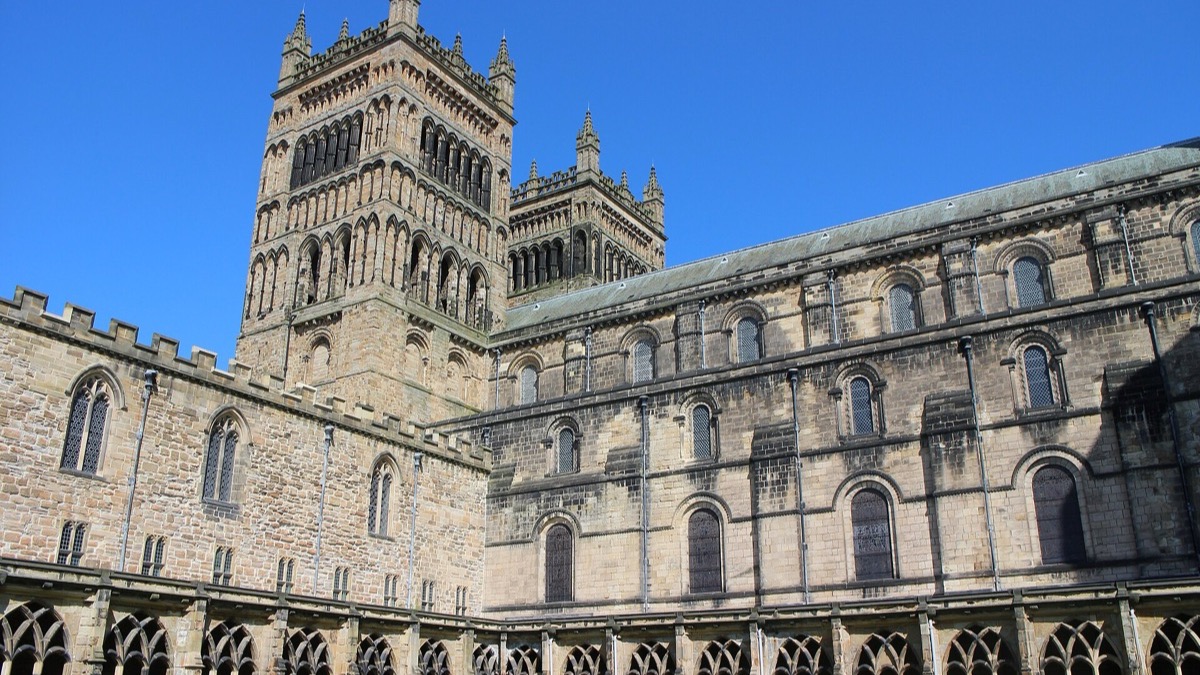
Health and human sciences approaches health as something far more complex than the sum of biological processes. It brings together biological and evolutionary perspectives on human physiology and genetics with anthropological and social science approaches to the cultural, political, ideological, and ecological contexts that shape how health risks arise and how treatments are understood and accepted or resisted. Understanding why some populations suffer disproportionate burdens of disease, why healthcare systems succeed or fail in different settings, and how illness is experienced and given meaning requires both the science of the body and the social science of the worlds bodies inhabit. At Durham this four-year full-time programme is designed to provide a thorough grounding in the anthropology of health, combining perspectives from both social and biological anthropology. It includes a sandwich year, a year abroad, and a work placement, giving you a genuinely international and professionally engaged experience alongside your academic study. You will expand your understanding of health by studying biological and evolutionary research into human genetics and physiology alongside ethnographic approaches to the social and cultural dimensions of health. The interdisciplinary framework develops your ability to critically debate healthcare from local, regional, and international perspectives, and to engage with the evidence and complexity that questions of health and wellbeing actually involve. Graduates find careers in public health, healthcare research, international development, policy analysis, global health organisations, the civil service, the charitable sector, and academic research. The combination of biological and social scientific understanding of health is particularly valued in global health contexts where cultural competence and scientific literacy are both required. Many graduates also continue to postgraduate study in public health, medical anthropology, global health, or health policy, or pursue professional training in medicine, nursing, or allied health professions.
Syllabus & Modules
Typical curriculumStudent Satisfaction
National Student Survey - 95 respondents (69% response rate)
Similarly Ranked Alternatives
What comes next? 🎓
Choosing the right university starts with choosing the right school. Explore transparent, data-driven school profiles powered by official DfE statistics.
Explore Schools on WhatSchool.ai →