High Drop-out Rate Alert
19% of students drop out or transfer from this specific course. Consider asking why on an open day.
BA Global Development and Chinese
About this course
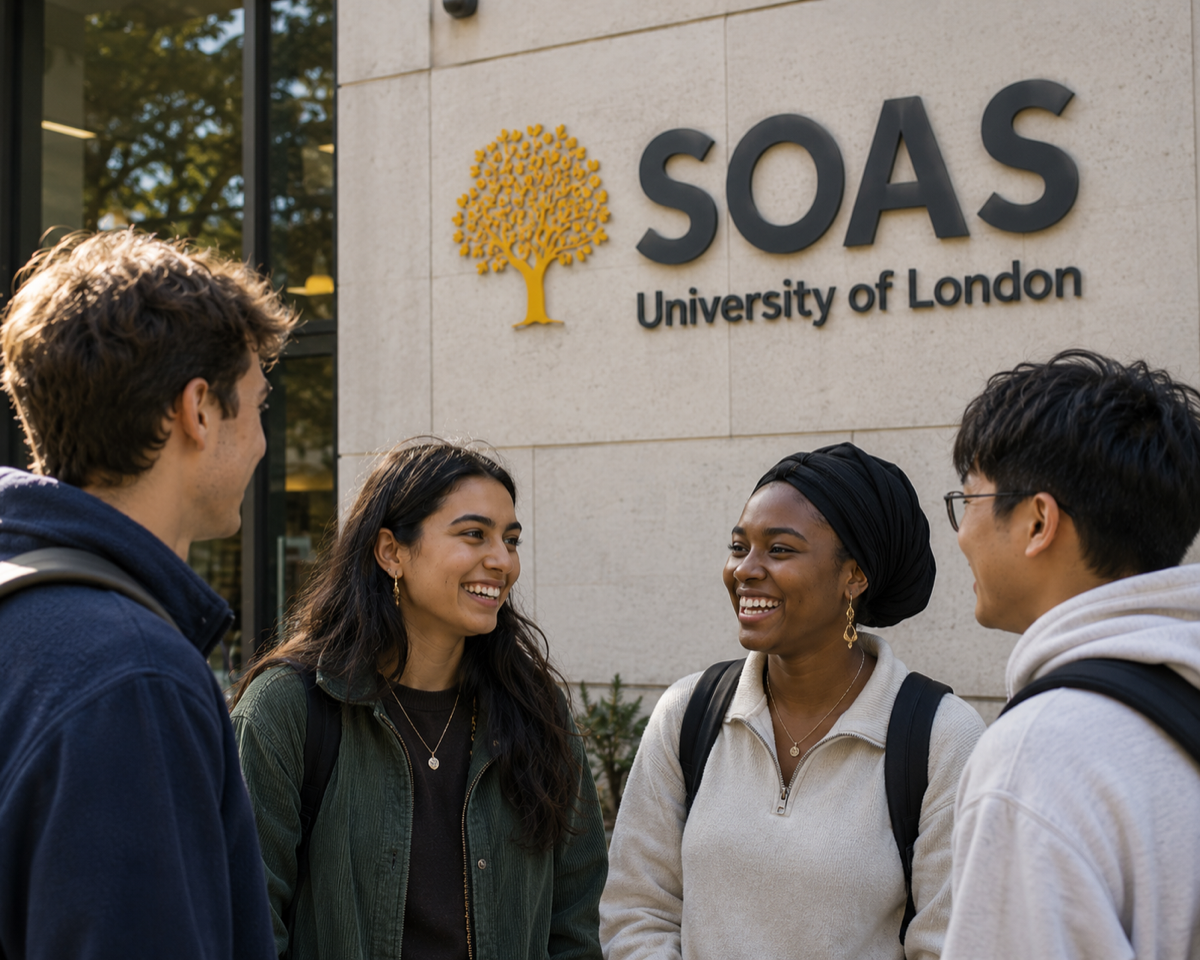
Global development and Chinese is a degree that combines rigorous analysis of one of the most pressing challenges in the world, how to reduce poverty, inequality, and vulnerability across the globe, with proficiency in the language of a country that has had more impact on global development in the past four decades than perhaps any other. Chinese language skills open access not only to China itself but to a diaspora community spread across much of East and Southeast Asia, and to institutions and organisations in which Chinese is increasingly significant. At the School of Oriental and African Studies in London, one of the world's leading institutions for the study of Asia, Africa, and the Middle East, this four-year full-time programme develops your understanding of development theory, international political economy, global poverty, human rights, and the geopolitics of aid and trade alongside serious Chinese language study. A foundation year is available for students without the necessary background in either area. You will engage with contemporary development debates, the institutions of international development including the United Nations and World Bank, and the specific role of China in development financing, trade, and infrastructure across Asia and Africa. Graduates pursue careers in development organisations, government departments, international non-governmental organisations, the United Nations system, international journalism, think tanks, and businesses with operations or interests in China and developing country markets. The combination of development analysis and Chinese language proficiency is rare and increasingly valued by organisations working at the intersection of geopolitics, finance, and development. Postgraduate study in development studies, China studies, and international relations is a natural progression.
Syllabus & Modules
Typical curriculumStudent Satisfaction
National Student Survey - 40 respondents (68% response rate)
Similarly Ranked Alternatives
What comes next? 🎓
Choosing the right university starts with choosing the right school. Explore transparent, data-driven school profiles powered by official DfE statistics.
Explore Schools on WhatSchool.ai →