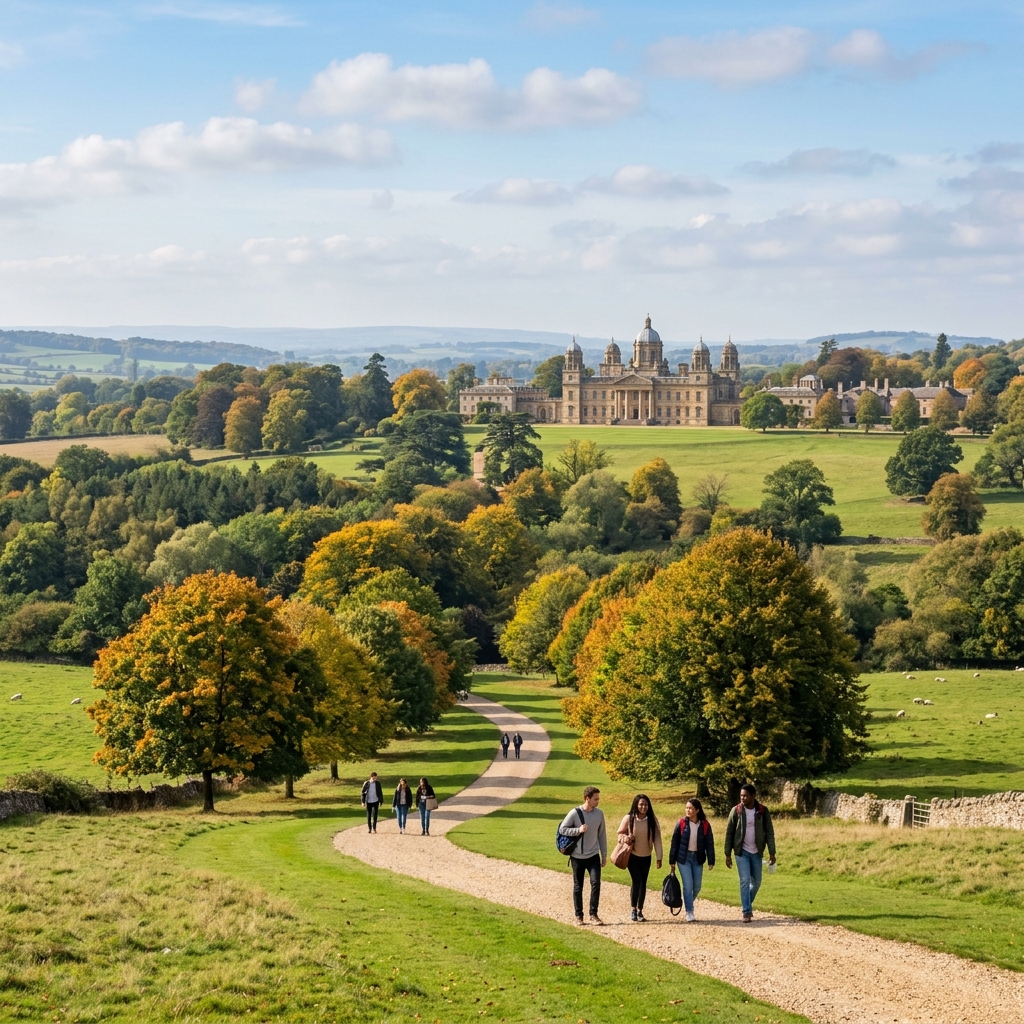
BSc Geology and Physical Geography
About this course
Geology and physical geography together illuminate how the Earth's surface has been shaped by processes operating over timescales from the geological past to the present day, and how those processes continue to drive change in a world under environmental pressure. Geology is concerned with the rocks, minerals, structures, and deep history of the Earth, investigating how landscapes were formed and what lies beneath the surface. Physical geography focuses on surface processes, including climate, soils, rivers, coasts, and vegetation, and on how these systems interact with each other and with the human communities that inhabit them. Together they provide a comprehensive framework for understanding global environmental change. At Keele this three-year full-time programme explores innovative approaches to understanding the physical and natural world, developing your skills through fieldwork, laboratory activities, and industry work placements. You will build knowledge in geological processes, including stratigraphy, tectonics, and mineralogy, alongside the tools of physical geography, including geomorphology, climatology, and environmental analysis. The combination of these perspectives is particularly valuable in a world where the management of land, resources, and environmental risk requires people who can think across disciplinary boundaries. A sandwich year provides a full year of professional experience, and a year abroad allows you to encounter these sciences in a different international setting. Work placements are integrated throughout the programme, ensuring that professional relevance runs across the whole degree. Graduates move into careers as exploration geologists, environmental consultants, climate scientists, geotechnical engineers, nature conservation officers, land management professionals, and researchers. Many continue to postgraduate study in geology, environmental science, or geography, building towards specialist professional or research careers in fields where the need for earth scientists with practical and interdisciplinary skills continues to grow.
Syllabus & Modules
Typical curriculumStudent Satisfaction
National Student Survey - 70 respondents (77% response rate)
Similarly Ranked Alternatives

What comes next? 🎓
Choosing the right university starts with choosing the right school. Explore transparent, data-driven school profiles powered by official DfE statistics.
Explore Schools on WhatSchool.ai →