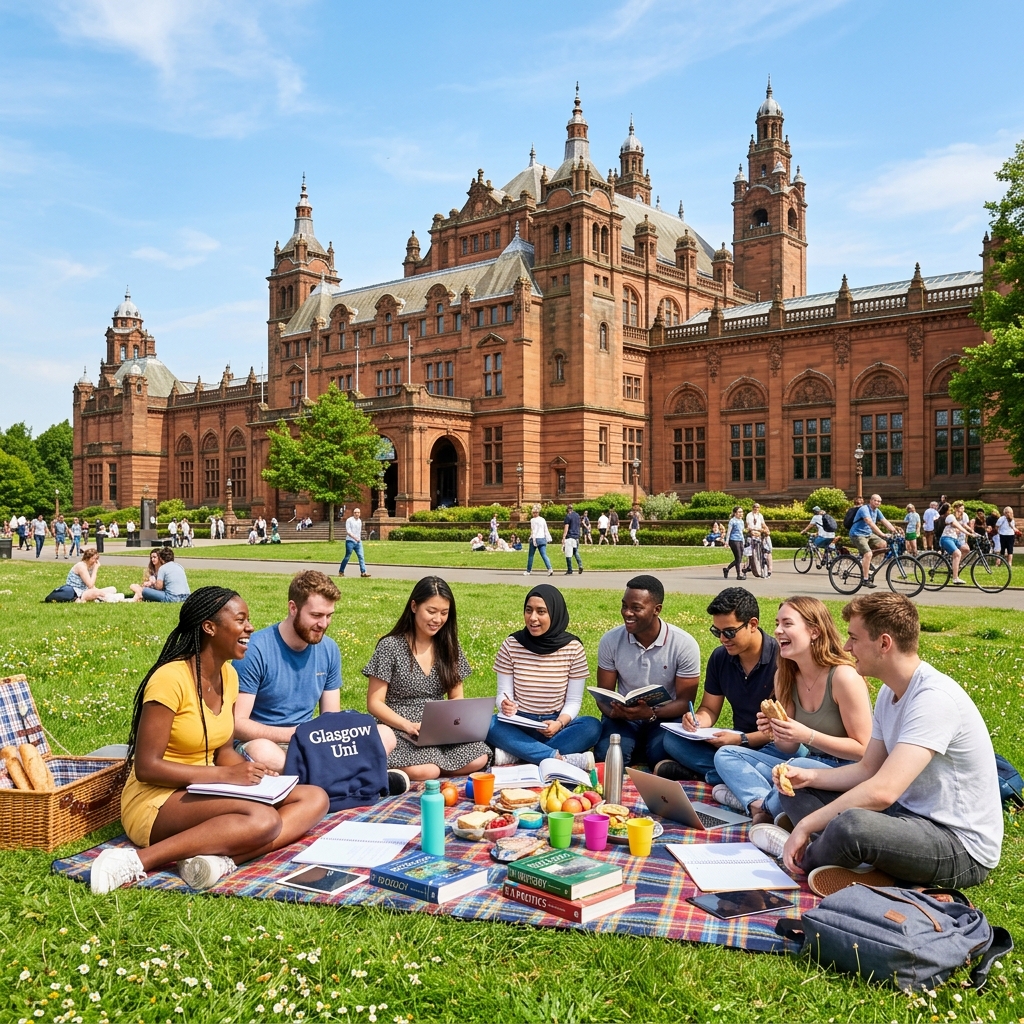
MA Geography/History of Art
About this course
Geography and history of art is a pairing that brings together the study of space and place with the study of how human beings have represented and made sense of the visual world. Geography examines the surface of the Earth as both a physical and a human landscape, considering how physical processes and human activities interact to shape places and create the patterns we see across the world's varied environments. It engages with questions ranging from coastal management and environmental change to migration, urbanisation, and the social geography of everyday life. History of art, meanwhile, examines how images, objects, and built forms have been made and understood across different periods and cultures, developing the skills of visual analysis alongside historical and theoretical understanding. At the University of Glasgow, this part-time programme includes a year abroad, which enriches both disciplines by placing you in a different geographical and cultural context. You will develop rigorous analytical skills in both geography and art history, learning to handle diverse forms of evidence, from spatial data and fieldwork to visual primary sources and scholarly literature. The combination is unusual but coherent: geography sensitises you to how places and environments shape cultural production, while history of art develops a kind of visual intelligence that deepens your ability to analyse and interpret the geographic world. Graduates from geography and history of art programmes move into careers in the cultural sector, including galleries, museums, and heritage organisations, as well as in environmental planning, the civil service, education, journalism, and research. The combination of spatial awareness and visual analytical skill is distinctive and valued in communications, publishing, and cultural policy roles. Many graduates continue to postgraduate study in art history, geography, museum studies, or cultural heritage, while others move directly into professional roles in the creative, cultural, or environmental sectors.
Syllabus & Modules
Typical curriculumStudent Satisfaction
Missing Satisfaction Data
The university has not shared complete student satisfaction records for this specific degree metrics block. You may want to formally explore these topics with the university staff at an open day before committing.
What comes next? 🎓
Choosing the right university starts with choosing the right school. Explore transparent, data-driven school profiles powered by official DfE statistics.
Explore Schools on WhatSchool.ai →