BSc Games Development
About this course
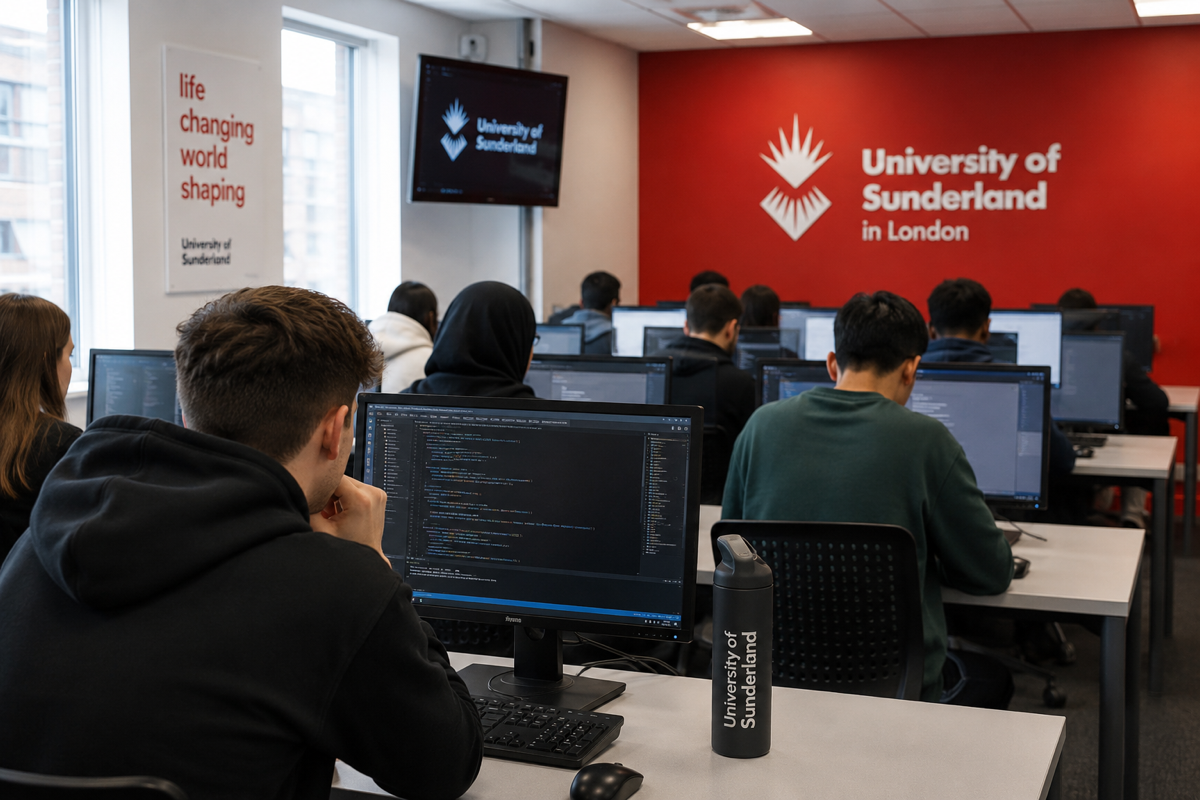
Games development sits at a rich intersection of programming, design, art and interactive storytelling, combining technical rigour with creative imagination to produce experiences that engage players across platforms from mobile to console to virtual reality. It is a discipline that has grown into one of the largest creative industries in the world, with a demand for skilled developers that consistently outpaces supply. Games developers must understand not just how to build software but how to create compelling player experiences, balancing mechanics, narrative, visual design and technical performance in ways that keep audiences engaged. At the University of Sunderland this three-year, full-time programme develops your skills across gameplay programming, game engine use and player experience design, working with the industry-standard tools, platforms and practices that employers expect. You will work with game engines, console gamepads, flight and vehicle controls and VR devices, building hands-on experience with the hardware and software environments of the contemporary games industry. Alongside programming and technical skills you will develop your understanding of game design principles, user experience, project management and the commercial realities of the industry. The programme includes a sandwich placement year and work placement, giving you direct experience in professional games studios before you graduate. You will also build a portfolio of work that demonstrates your expertise and creative range to potential employers. Graduates move into careers as games programmers, gameplay designers, technical artists, level designers, QA testers, tools programmers and user experience designers across console, PC, mobile and emerging platform studios. Many also apply their skills in adjacent fields including simulation, VR and AR development, interactive media, educational technology and defence. Some graduates go on to postgraduate study in games development, computer science or interaction design, building on the technical and creative foundation this degree provides.
Syllabus & Modules
Typical curriculumStudent Satisfaction
National Student Survey - 15 respondents (78% response rate)
Similarly Ranked Alternatives


What comes next? 🎓
Choosing the right university starts with choosing the right school. Explore transparent, data-driven school profiles powered by official DfE statistics.
Explore Schools on WhatSchool.ai →