MA Gaelic/Psychology
About this course
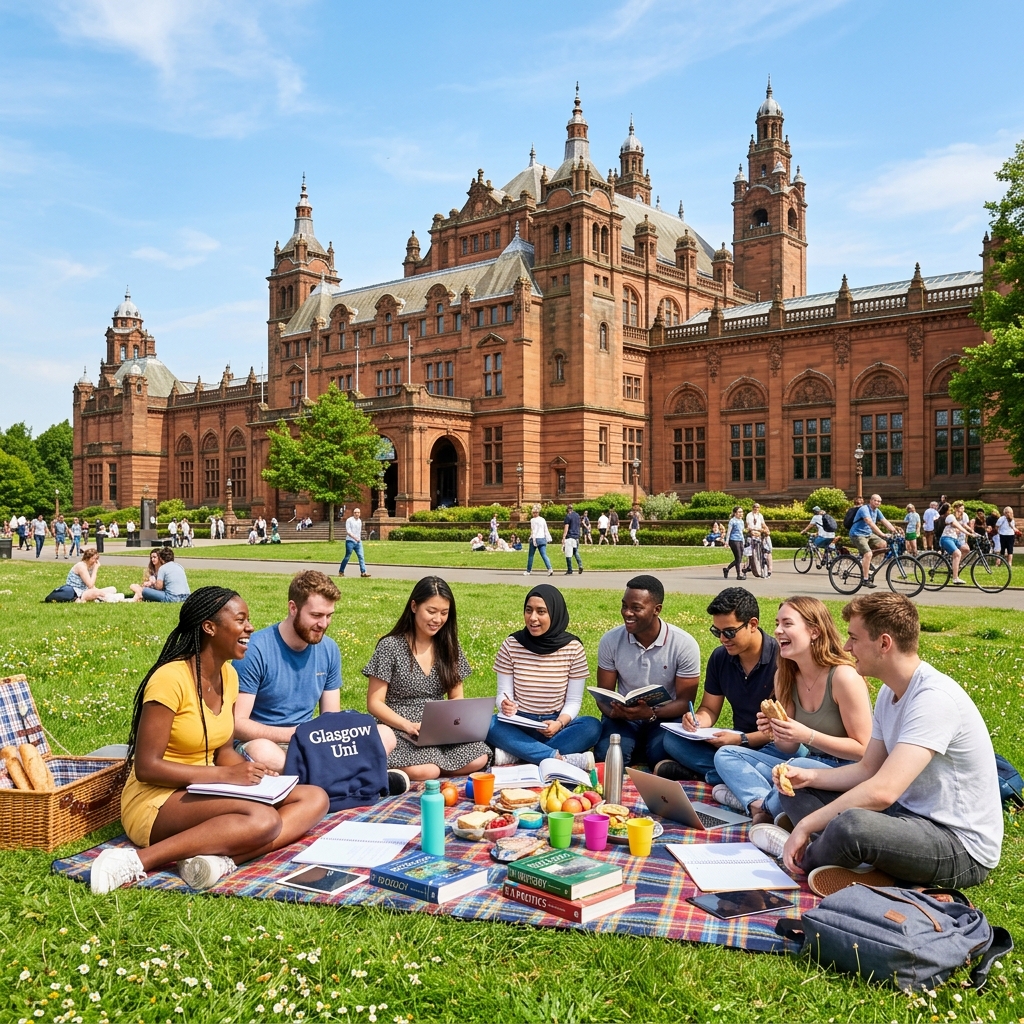
Gaelic and psychology is a combination that might appear unexpected, but both disciplines address fundamental questions about identity, communication, and what it means to be human. Scottish Gaelic is not simply a language; it is a carrier of centuries of cultural knowledge, oral tradition, music, literature, and community life in the Highlands and Islands and across the Scottish diaspora. Psychology brings rigorous scientific methods for understanding how the mind works, how people develop, how they relate to one another, and how language, identity, and culture shape individual experience. At the University of Glasgow, this four-year full-time programme lets you explore Scottish Gaelic language and culture through the centuries to the present day while simultaneously building psychological understanding of human behaviour, cognition, and social life. On the Gaelic side, you will study the language in depth, developing your reading, writing, listening, and speaking skills and engaging with Gaelic literature, history, and contemporary culture, including its revival and the role of media and education in sustaining minority languages. Psychology will take you through the scientific study of perception, memory, development, social behaviour, mental health, and research methods. A year abroad is available, offering the opportunity to extend your studies internationally. Glasgow's strong Gaelic community and excellent psychology facilities provide a rich environment for both strands. With a typical entry tariff of 216 UCAS points, this degree attracts students with both linguistic and scientific aptitude. Graduates move into careers in Gaelic education, broadcasting, community development, cultural heritage, and public sector roles in Scotland where Gaelic expertise is needed, as well as psychology-related careers in human resources, mental health support, research, education, and social services. Many continue to postgraduate study in psychology, Gaelic studies, linguistics, or educational psychology.
Syllabus & Modules
Typical curriculumStudent Satisfaction
National Student Survey - 135 respondents (76% response rate)
What comes next? 🎓
Choosing the right university starts with choosing the right school. Explore transparent, data-driven school profiles powered by official DfE statistics.
Explore Schools on WhatSchool.ai →