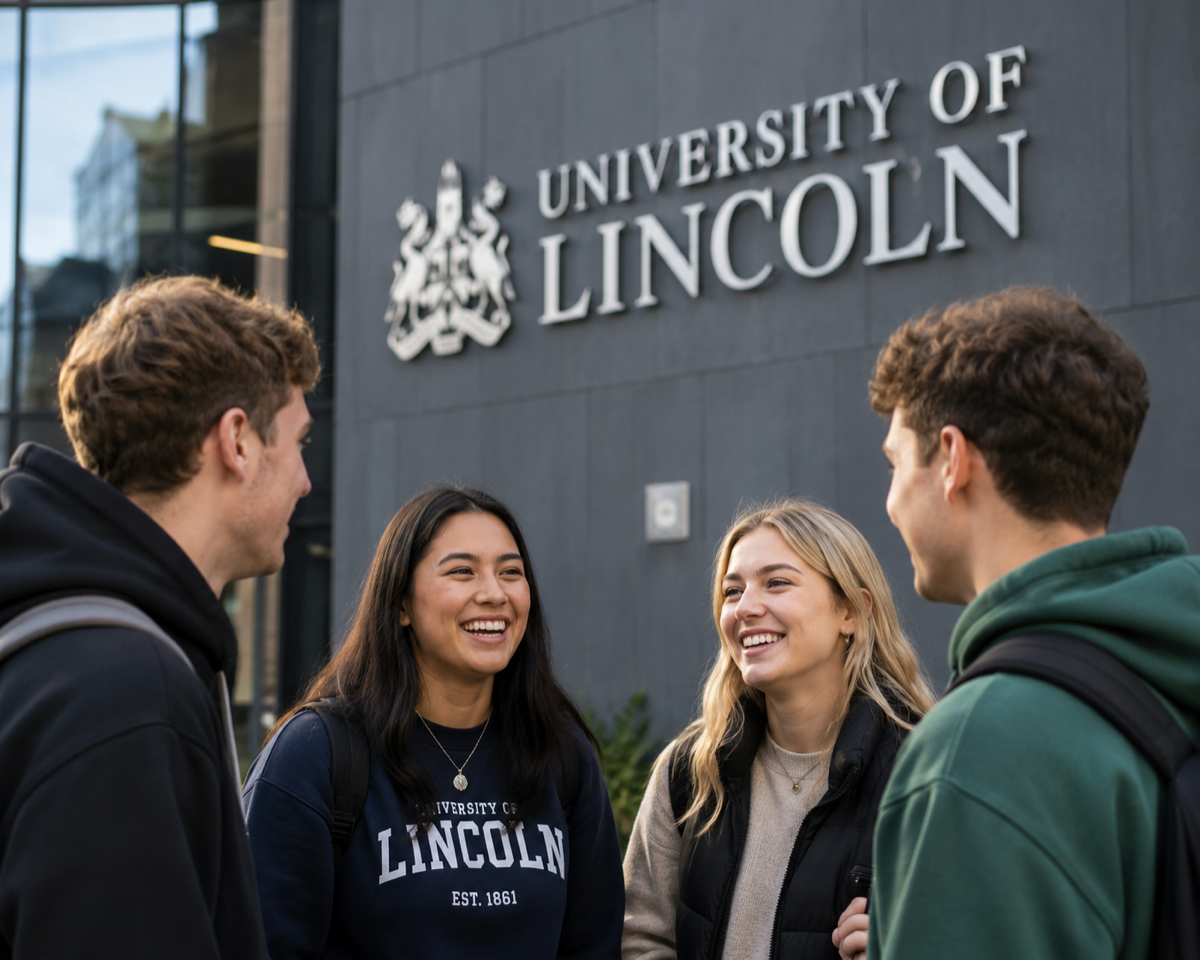
BSc Forensic Science
About this course
Forensic science is the application of scientific knowledge and methods to the investigation of crime and the provision of evidence in legal proceedings. It is a genuinely interdisciplinary field, drawing primarily on chemistry and biology to examine physical evidence collected from crime scenes and laboratory settings. Forensic scientists work in impartial roles, providing expert analysis and testimony that assists courts, investigators and prosecutors in determining what happened in a given case. Their work spans toxicology, DNA profiling, trace evidence analysis, document examination and many other specialisms, each requiring precise technical skill and an understanding of how scientific evidence is treated in law. At the University of Lincoln, this three-year full-time programme develops your highly detailed scientific skills across chemistry and biology applied in forensic contexts, including toxicology, DNA analysis and the examination of trace evidence such as fibres, glass and soils. You will work in laboratories and engage with realistic crime scene scenarios that prepare you for the conditions of professional practice. A placement year gives you direct professional experience in a forensic or analytical science context, and work placement opportunities are integrated throughout the programme, ensuring that your practical development proceeds alongside your academic formation. Graduates of forensic science programmes work in forensic science laboratories, police services, Crown Prosecution Service units, government laboratories and private forensic providers. The analytical chemistry and biology skills the degree develops are also valued in pharmaceutical quality control, environmental testing and clinical laboratory roles. Many graduates pursue postgraduate study in forensic science, analytical chemistry, toxicology or a specialist forensic discipline such as digital forensics or forensic archaeology, where the undergraduate foundation supports more advanced technical and research work.
Syllabus & Modules
Typical curriculumStudent Satisfaction
National Student Survey - 55 respondents (77% response rate)
Similarly Ranked Alternatives
What comes next? 🎓
Choosing the right university starts with choosing the right school. Explore transparent, data-driven school profiles powered by official DfE statistics.
Explore Schools on WhatSchool.ai →