High Drop-out Rate Alert
25% of students drop out or transfer from this specific course. Consider asking why on an open day.
BSc Forensic Biology
About this course
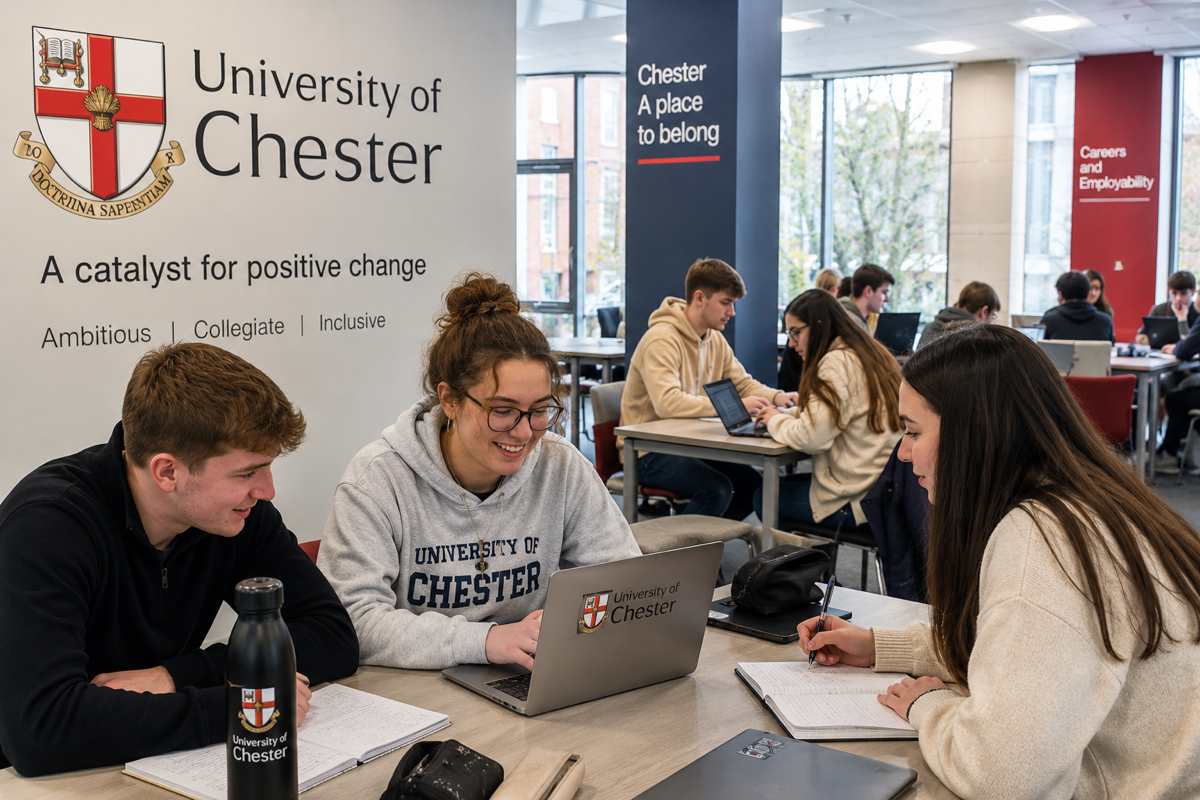
Forensic biology applies the principles and techniques of the biological sciences to the investigation of crime and other legal matters. The discipline draws on genetics, microbiology, ecology, entomology, botany, and cell biology to analyse biological evidence found at crime scenes, from blood, hair, and saliva to insects, pollen, and plant material. As DNA analysis and other biological techniques have become central to criminal investigation, the demand for people with both rigorous scientific training and an understanding of how evidence is used in legal contexts has grown significantly. At the University of Chester, this three-year, full-time programme develops your scientific knowledge alongside the forensic and legal context in which that knowledge is applied. You will study genetics and molecular biology, developing skills in DNA extraction, profiling, and interpretation. You will learn about the biology of human identification, the analysis of trace evidence, entomological evidence and its use in establishing time of death, and the ecological and botanical evidence that can connect suspects or victims to specific locations. The programme also covers crime scene investigation principles, evidence handling and chain of custody, the legal framework governing forensic evidence, and how expert witnesses communicate findings to courts. The programme includes a year abroad, giving you the opportunity to study forensic biology in an international context and to see how forensic science is practised and regulated in a different legal and scientific environment. Graduates work in forensic science laboratories, both within the police service and in commercial forensic companies, as well as in research, clinical biology, and related scientific roles. Many go on to postgraduate study in forensic science, forensic genetics, or applied molecular biology. The scientific skills the degree develops, particularly in molecular genetics and laboratory practice, are also transferable to biotechnology, pharmaceutical research, and public health microbiology.
Syllabus & Modules
Typical curriculumStudent Satisfaction
National Student Survey - 10 respondents (83% response rate)
Similarly Ranked Alternatives

What comes next? 🎓
Choosing the right university starts with choosing the right school. Explore transparent, data-driven school profiles powered by official DfE statistics.
Explore Schools on WhatSchool.ai →