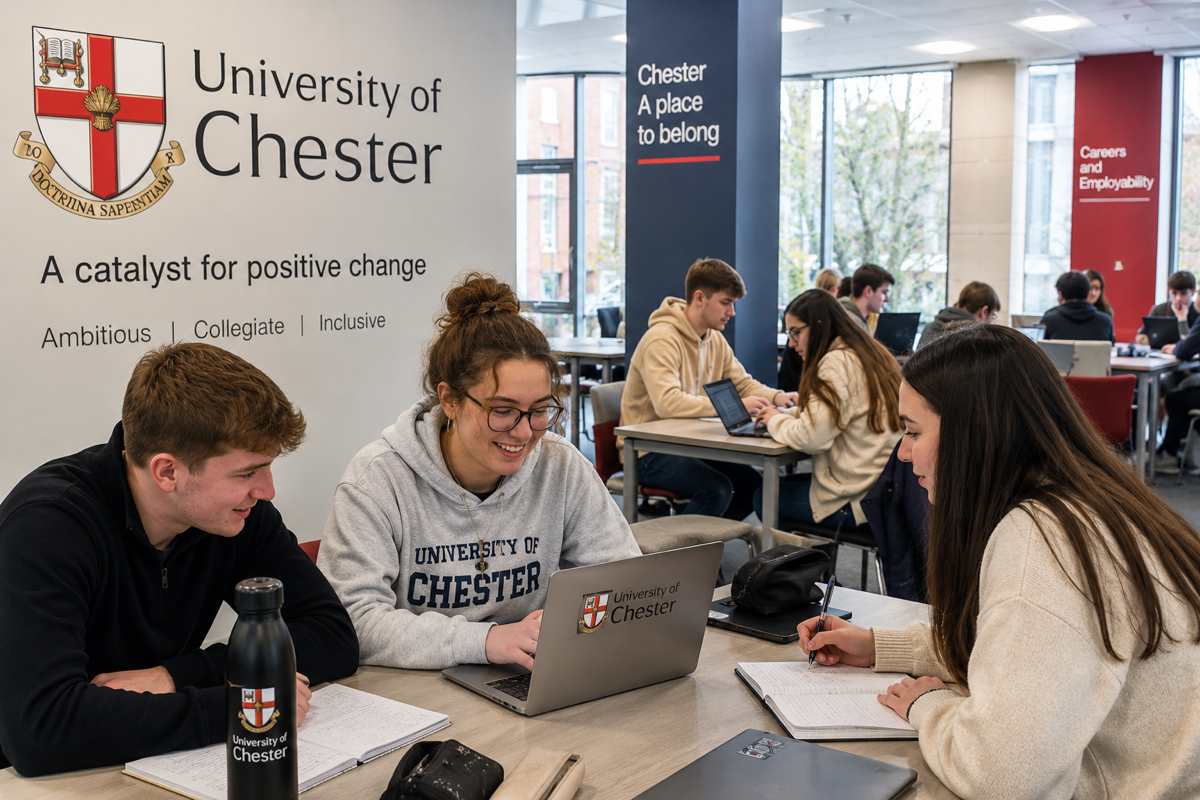
BSc Forensic Biology (including a Foundation Year)
About this course
Forensic Biology is a field that applies the techniques of biological science to the investigation of crime, combining the rigour of molecular biology and genetics with the specific methods and professional standards required for evidence to be used in legal proceedings. DNA profiling, bloodstain pattern analysis, the identification of trace biological material, and the analysis of questioned documents are among the applications that forensic biologists contribute to criminal investigations. The field is growing in importance as DNA and biological evidence become increasingly central to the work of police, prosecution, and defence. At the University of Chester, this four-year programme includes a foundation year, making it accessible to students who need additional preparation before engaging with the main degree curriculum. The programme then provides a combination of forensic science methods with a thorough grounding in traditional biology, with particular emphasis on molecular biology techniques and DNA profiling. You will develop both the scientific knowledge needed to understand and apply these techniques and the professional understanding of how forensic evidence must be collected, preserved, and documented to be admissible in court. A year abroad is available, giving you the opportunity to study in another academic environment and to develop international perspectives on forensic science and its applications. Graduates of Forensic Biology programmes work in forensic science laboratories, police forensic units, the Forensic Science Service and its successors, academic research, and in related roles in healthcare science and biotechnology. Many also pursue postgraduate study to deepen their forensic specialism or to develop research careers. The molecular biology and genetics techniques the degree develops are transferable to many other biological disciplines, giving graduates flexibility in the graduate labour market beyond forensic science itself.
Syllabus & Modules
Typical curriculumStudent Satisfaction
National Student Survey - 15 respondents (73% response rate)
Similarly Ranked Alternatives

What comes next? 🎓
Choosing the right university starts with choosing the right school. Explore transparent, data-driven school profiles powered by official DfE statistics.
Explore Schools on WhatSchool.ai →