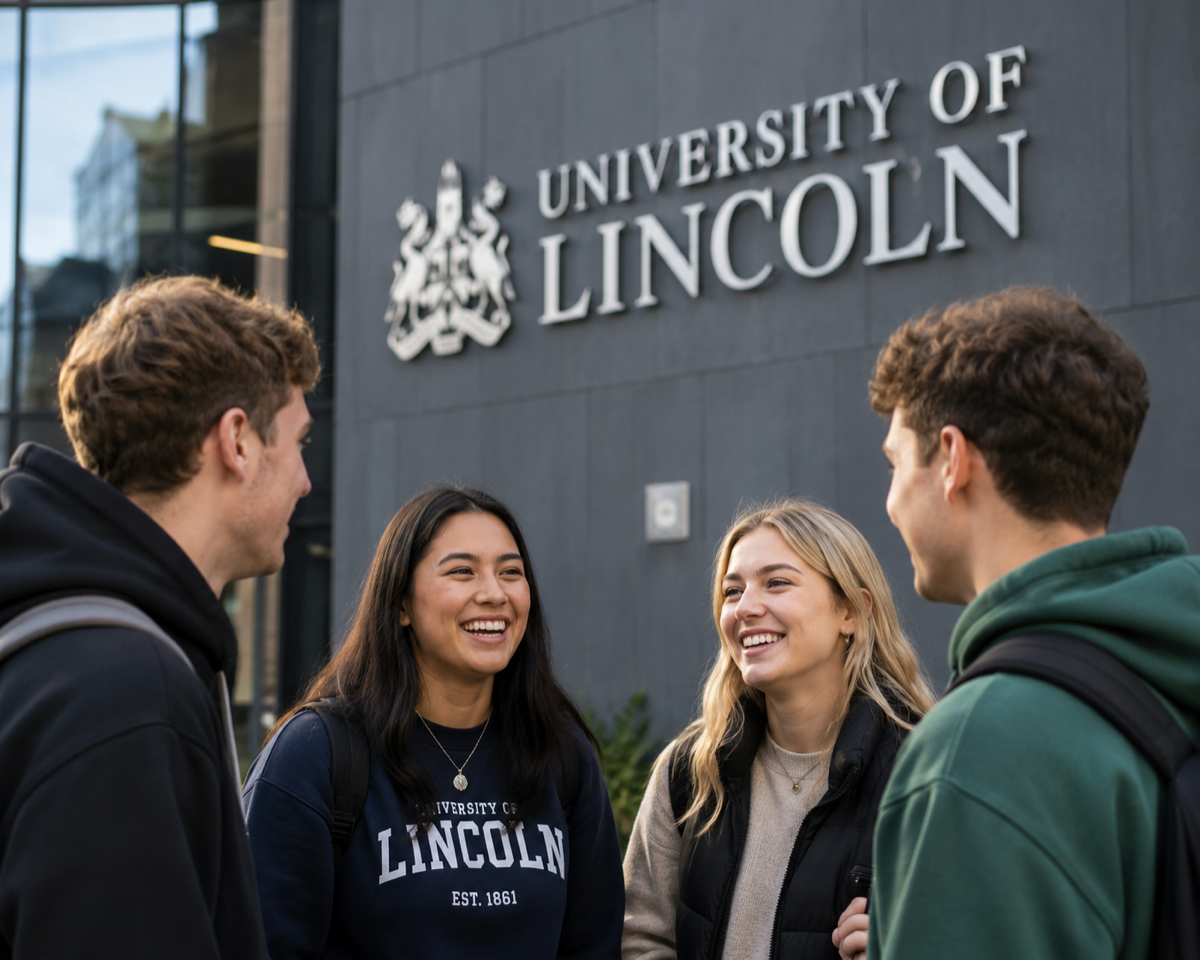
BEng Electrical and Electronic Engineering with Science Foundation Year
About this course
Electrical and electronic engineering is the discipline that designs and builds the systems that generate, transmit, convert, and use electricity and electronic signals, underpinning everything from power grids and renewable energy infrastructure to consumer electronics, medical devices, and telecommunications networks. The field is in constant evolution as new technologies demand engineers who can think across the traditional boundaries between power systems, digital electronics, and software. This four-year, full-time programme at the University of Lincoln includes a Science Foundation Year that provides the foundational physics and mathematics preparation needed before entering the main degree content, making the programme accessible to students who need additional preparation alongside those coming from strong A-level backgrounds. Founded in collaboration with Siemens, Lincoln's School of Engineering brings genuine industry connection into its research-led teaching philosophy. The programme also includes a placement year, giving you professional experience in an engineering environment before you graduate. You will study electrical power, circuit design, digital electronics, signal processing, control systems, and the broader skills of professional engineering practice. Graduates are in demand across the energy, manufacturing, telecommunications, defence, automotive, and consumer electronics sectors. Roles in power engineering, electronics design, systems integration, and technical project management are typical starting points, and the sector connections that Lincoln's industry collaborations provide strengthen the professional transition for graduates. The foundation year makes the programme accessible to a wider range of students, and the placement year builds the professional readiness that employers value. Further study in electrical engineering, power systems, or a related specialist area is an option for those who wish to develop advanced expertise or pursue research.
Syllabus & Modules
Typical curriculumStudent Satisfaction
National Student Survey - 35 respondents (69% response rate)
Similarly Ranked Alternatives
What comes next? 🎓
Choosing the right university starts with choosing the right school. Explore transparent, data-driven school profiles powered by official DfE statistics.
Explore Schools on WhatSchool.ai →