BEng Electrical and Electronic Engineering
About this course
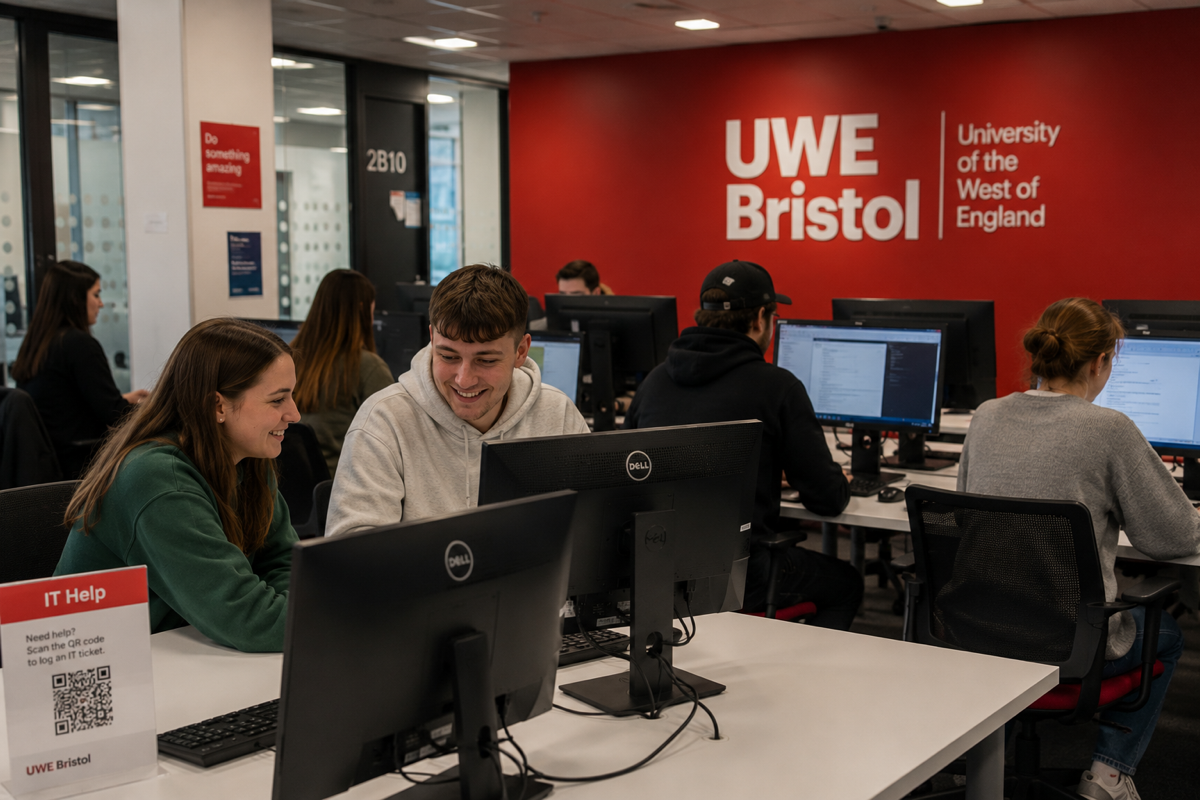
Electrical and electronic engineering sits at the heart of the global response to the energy and sustainability challenges of the twenty-first century. The generation, distribution and storage of electrical power, the design of the electronic systems that control and optimise those processes, and the communications infrastructure that connects modern societies are all domains shaped by this discipline. The urgent need for sustainable electricity solutions makes electrical and electronic engineers among the most consequential professionals working today. At UWE Bristol, this three-year full-time programme covers the core principles and applied skills of electrical and electronic engineering. You will study circuits, electromagnetics, power systems, signal processing, control theory and digital electronics, developing both the analytical depth to understand why systems behave as they do and the practical skills to design, test and implement them. The programme includes a sandwich year and a work placement, giving you direct professional experience that bridges academic study and engineering practice. This is a defining feature of the degree, as electrical and electronic engineering is a field where practical competence alongside theoretical knowledge is what employers consistently value. The programme responds directly to the global energy transition, with opportunities to engage with renewable energy technologies, power electronics for electric vehicles, smart grids and sustainable systems engineering. These are growth areas within the profession and the degree positions you well for them. Graduates work across energy generation and distribution, telecommunications, automotive and aerospace engineering, defence, renewable energy, smart infrastructure and consumer electronics. The skills are also valued in consultancy, project management and technical sales roles. Many graduates pursue professional accreditation with the IET, and postgraduate study in power systems, communications or sustainable energy engineering is a well-supported option.
Syllabus & Modules
Typical curriculumStudent Satisfaction
National Student Survey - 15 respondents (84% response rate)
Similarly Ranked Alternatives



What comes next? 🎓
Choosing the right university starts with choosing the right school. Explore transparent, data-driven school profiles powered by official DfE statistics.
Explore Schools on WhatSchool.ai →