High Drop-out Rate Alert
18% of students drop out or transfer from this specific course. Consider asking why on an open day.
BEng Electrical and Electronic Engineering
About this course
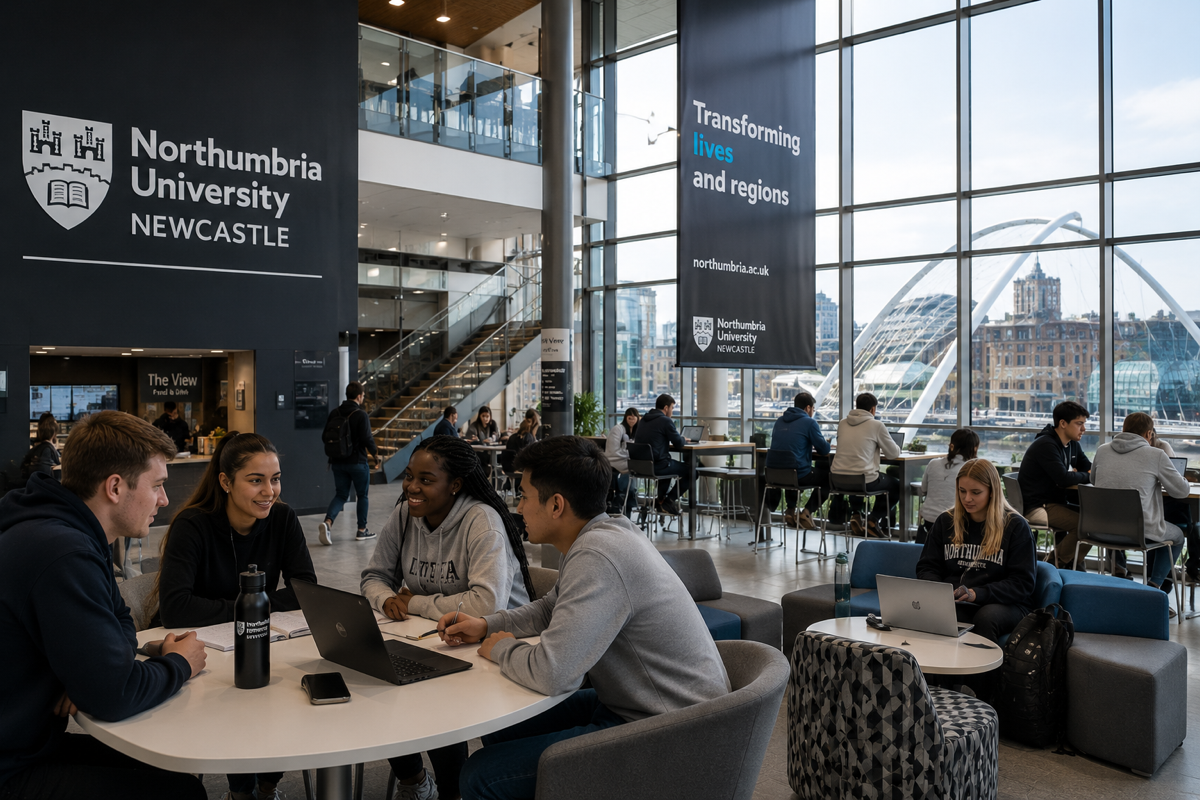
Electrical and electronic engineering shapes virtually every aspect of modern life. From the power grids that light our cities to the microprocessors at the heart of smartphones, medical devices, and autonomous vehicles, the discipline is concerned with generating, distributing, and controlling electrical energy and the systems that depend on it. Engineers in this field design circuits, develop communications technology, build control systems, and create the intelligent devices that are transforming industries and everyday experience. At Northumbria University in Newcastle, this three-year full-time degree includes both a sandwich year and a year abroad, meaning you will gain substantial professional experience in industry as well as time studying at an international partner institution. The placement year gives you direct exposure to engineering practice, allowing you to apply what you have learned in a working environment and develop the professional skills and networks that employers look for. The year abroad adds an international dimension that is increasingly valuable in a globally connected engineering sector. Throughout the programme you will study analogue and digital electronics, circuit design, power systems, signal processing, control theory, communications, and embedded systems. You will work in well-equipped laboratories, developing practical skills in design, testing, and fault-finding alongside strong mathematical and analytical foundations. Graduates in electrical and electronic engineering are in high demand across the energy, telecommunications, aerospace, automotive, defence, consumer electronics, and healthcare sectors. Career paths include roles in design engineering, project management, systems integration, research and development, and technical consultancy. Many graduates choose to pursue chartered engineer status or continue into postgraduate research, further deepening their specialisation.
Syllabus & Modules
Typical curriculumStudent Satisfaction
National Student Survey - 35 respondents (59% response rate)
Similarly Ranked Alternatives



What comes next? 🎓
Choosing the right university starts with choosing the right school. Explore transparent, data-driven school profiles powered by official DfE statistics.
Explore Schools on WhatSchool.ai →