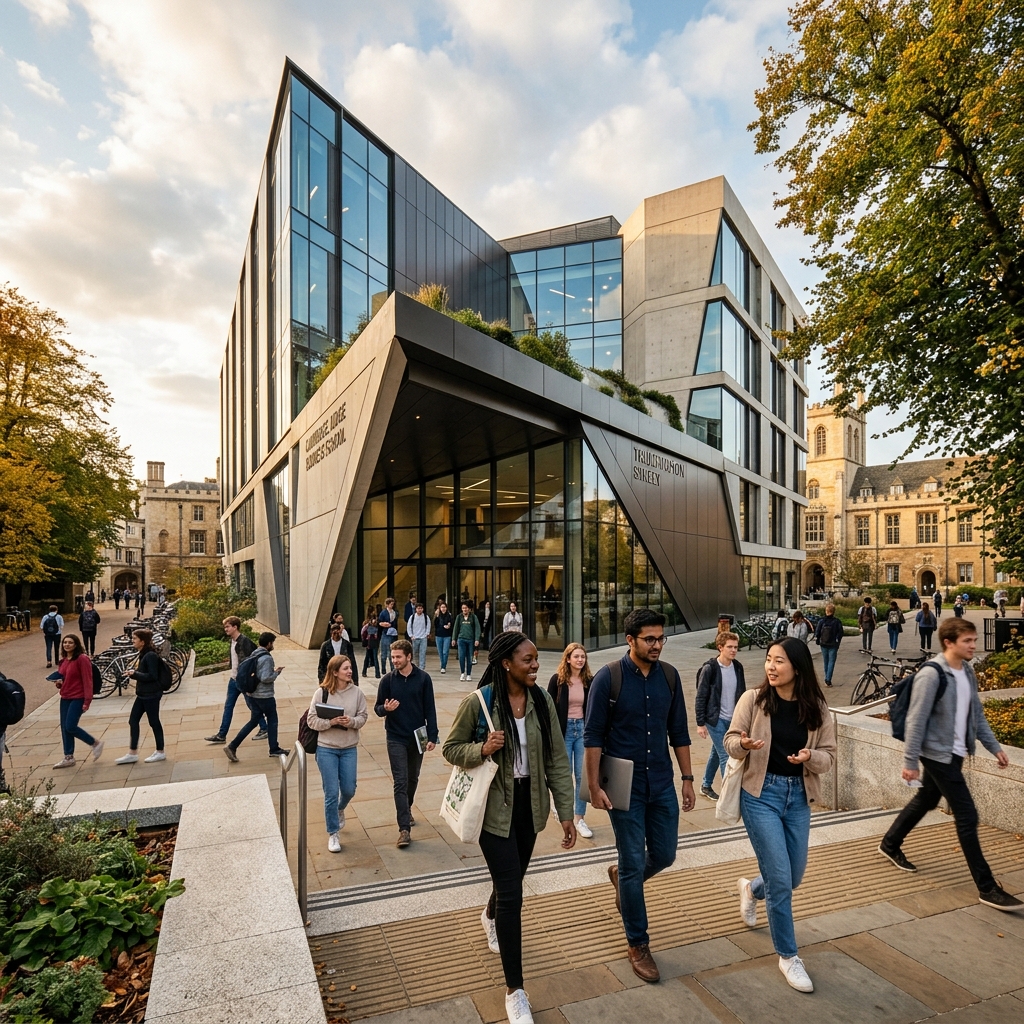
BA Education with Inclusive Practice
About this course
Education with inclusive practice is a degree that takes seriously both the academic study of education and the practical and ethical commitment to ensuring that all learners, regardless of their background, ability, or identity, are able to participate fully and thrive. Inclusion is not simply a technical matter of adjusting delivery methods; it is a value stance about the purpose of education and the kind of society we want to build, and it requires the knowledge, skills, and dispositions to work effectively with diversity in all its forms. At Anglia Ruskin University, this three-year full-time programme combines a broad education studies curriculum with a specific focus on inclusive practice, covering the theories, policies, and practical approaches that underpin inclusive education in the UK and internationally. You will study the sociology and psychology of education, learning and development across the lifespan, educational policy and legislation, the history of special educational needs and disability, and the frameworks used to support learners with diverse needs in mainstream and specialist settings. The degree develops both your theoretical understanding and your practical competence, and you will have opportunities to engage with educational settings and practitioners throughout your studies. Critical thinking, reflective practice, and clear communication are skills you will build throughout the programme. The ability to evaluate policy and practice from a principled standpoint, and to advocate effectively for learners who might otherwise be marginalised, are qualities the degree aims to develop alongside academic knowledge. Graduates in education with inclusive practice go on to careers in teaching, special educational needs coordination, educational psychology, support for learning, early years, youth work, social care, and the voluntary sector. Teacher training via a PGCE, including routes into special educational needs settings, is one of the most common next steps. The inclusive practice specialism is particularly valued in roles that involve working with children and young people with special educational needs and disabilities, autism, or social, emotional, and mental health needs. Postgraduate study in education, educational psychology, or special educational needs is another route for those who want to deepen their expertise.
Syllabus & Modules
Typical curriculumStudent Satisfaction
National Student Survey - 110 respondents (80% response rate)
Similarly Ranked Alternatives




What comes next? 🎓
Choosing the right university starts with choosing the right school. Explore transparent, data-driven school profiles powered by official DfE statistics.
Explore Schools on WhatSchool.ai →