High Drop-out Rate Alert
16% of students drop out or transfer from this specific course. Consider asking why on an open day.
BA Economics and Psychology (SBS)
About this course
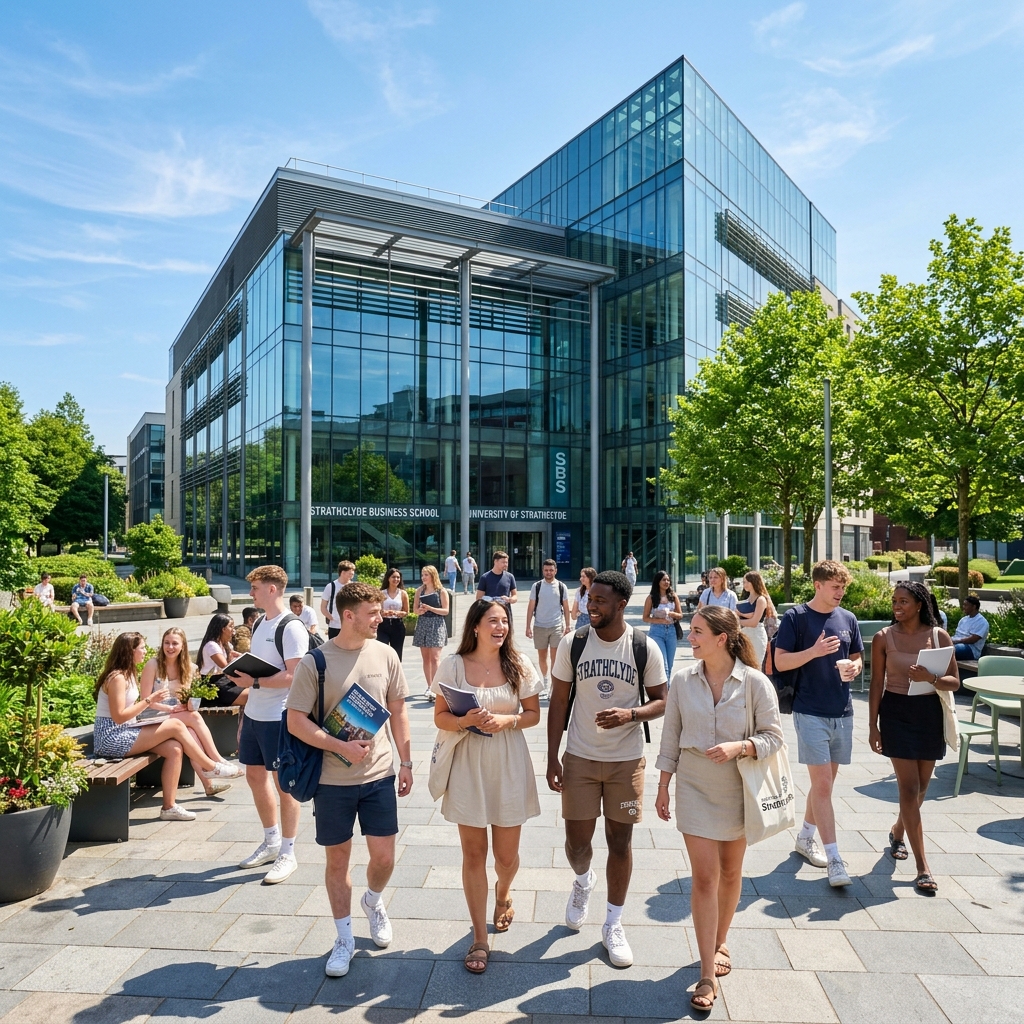
Economics and psychology address what might seem like separate questions, but at their best they illuminate each other powerfully. Economics seeks to understand how individuals, households, firms, and governments make decisions about scarce resources, and how those decisions aggregate into markets, prices, and the broader patterns of economic life. Psychology asks why people think and behave as they do, examining the mental processes, emotions, biases, and social influences that drive human action. Together, the two disciplines equip you to think more honestly about how economic agents actually behave, rather than only how formal models assume they should. At the University of Strathclyde the four-year programme allows you to develop depth in both economics and psychology, moving from foundational principles through to more advanced and specialised topics in each field. You will study macroeconomics, microeconomics, and econometrics alongside psychological theory spanning cognition, social psychology, and behavioural research methods. The intersection of the two disciplines is particularly rich in areas such as behavioural economics, consumer behaviour, and the psychology of financial decision-making. The programme includes a year abroad, giving you the opportunity to study in an international context and bring a comparative perspective to your understanding of both disciplines. Graduates from economics and psychology programmes enter a wide range of careers. The financial sector, marketing, management consultancy, public policy, and research are all common destinations. Behavioural insights work, which applies psychological understanding to the design of policies and public communications, is a growing field in government and the private sector. Many graduates also go on to postgraduate study in economics, behavioural science, organisational psychology, or business, deepening their expertise in preparation for specialist or research careers.
Syllabus & Modules
Typical curriculumStudent Satisfaction
National Student Survey - 120 respondents (73% response rate)
Similarly Ranked Alternatives

What comes next? 🎓
Choosing the right university starts with choosing the right school. Explore transparent, data-driven school profiles powered by official DfE statistics.
Explore Schools on WhatSchool.ai →