MA Economics and Politics
About this course
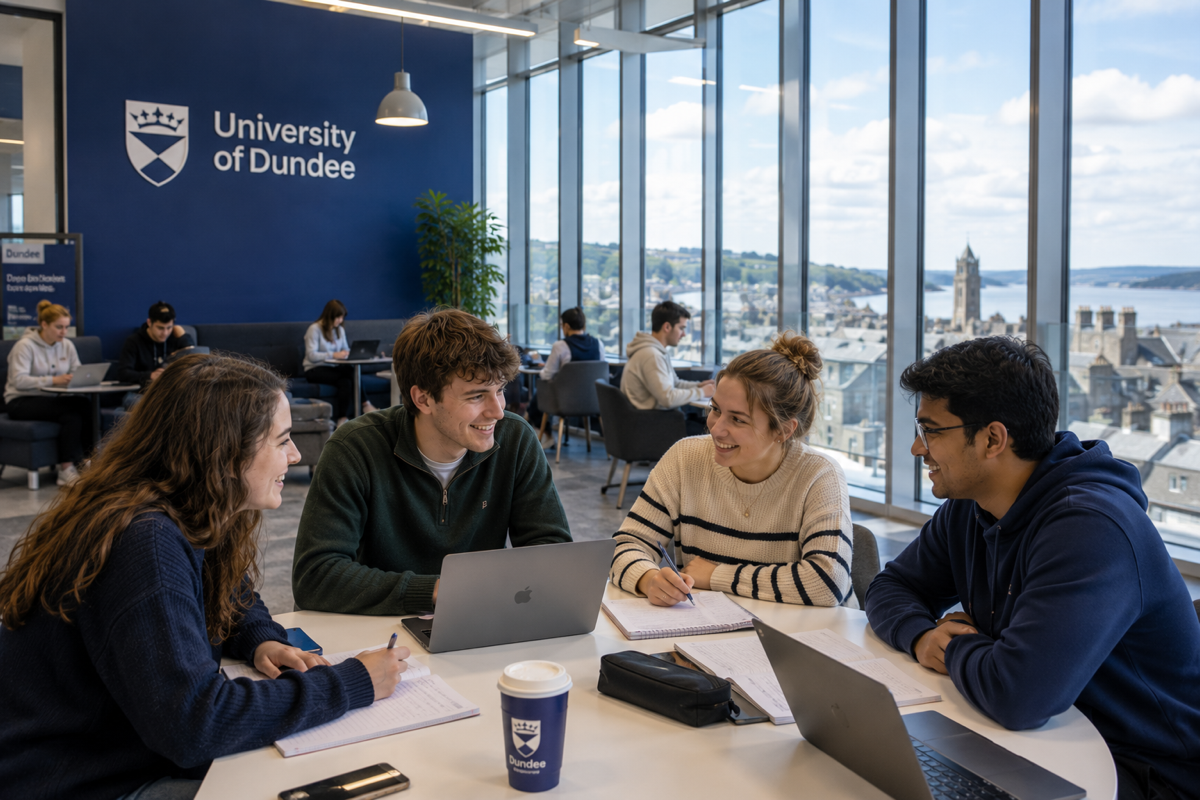
Economics and Politics together address some of the most important questions in contemporary life: how do societies allocate resources, make collective decisions, and organise the institutions of power and governance? Neither discipline is fully comprehensible without the other. Economic policy is always political, and political outcomes are shaped by economic forces, so studying them in combination gives you a richer and more honest account of how the world actually works than either subject can offer alone. At the University of Dundee, this four-year full-time programme develops your understanding of economic theory and political analysis in parallel. You will study the core principles of microeconomics and macroeconomics, examining how individuals, firms and governments make decisions and what happens when markets fail or public policy intervenes. Alongside this, you will engage with political theory, comparative politics, international relations, and the institutions through which decisions are made at national and global level. The year abroad built into the programme gives you the opportunity to study in another country, deepening your cross-cultural understanding and widening your perspective on how different political and economic systems work in practice. Dundee's strong research culture and its location in Scotland, with its distinct devolved political landscape, give the programme a grounding in real-world policy that complements the theoretical training. You will develop skills in quantitative analysis, critical reading, academic writing, and the construction of evidence-based arguments, all of which are in strong demand among graduate employers. Graduates of Economics and Politics programmes are highly employable across a wide range of sectors. Many enter the civil service, policy organisations, international institutions, financial services, journalism, consultancy, and the public sector more broadly. Others pursue further study at postgraduate level in economics, politics, international relations, public policy or law, some progressing to research degrees or professional qualifications that deepen their specialism.
Syllabus & Modules
Typical curriculumStudent Satisfaction
National Student Survey - 35 respondents (91% response rate)
Similarly Ranked Alternatives


What comes next? 🎓
Choosing the right university starts with choosing the right school. Explore transparent, data-driven school profiles powered by official DfE statistics.
Explore Schools on WhatSchool.ai →