BSc Ecology and Conservation with Foundation Year
About this course
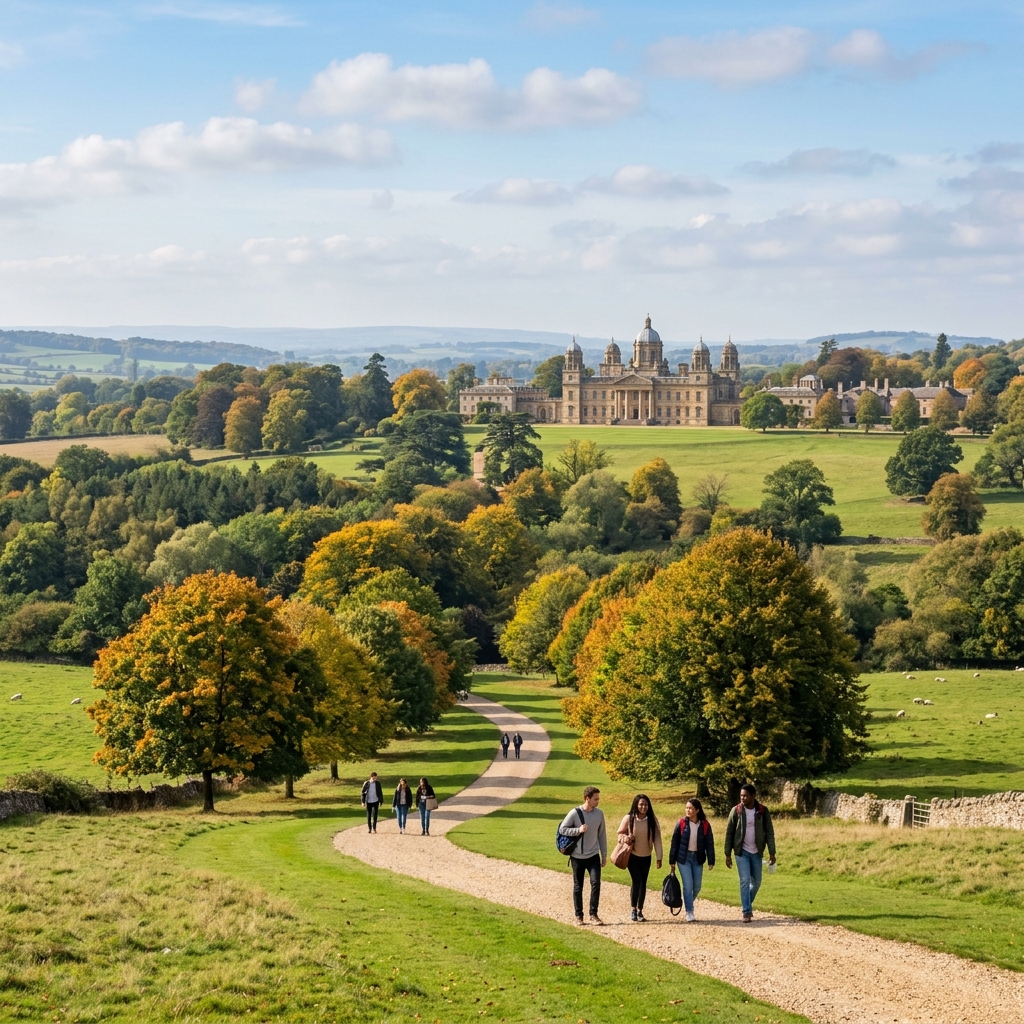
Ecology and conservation address two of the most pressing challenges of the twenty-first century: understanding how living systems work and preventing their destruction. Ecology is the scientific study of how organisms interact with each other and with their physical environments, examining populations, communities, and ecosystems at every scale from a woodland pond to the global biosphere. Conservation applies that understanding to the practical challenge of protecting species, habitats, landscapes, and the ecological processes that sustain them, combining field science with policy, management, and engagement with local communities and stakeholders. Keele University's four-year full-time Ecology and Conservation with Foundation Year degree has a typical entry tariff of 120 points. The foundation year provides additional scientific and academic preparation, allowing students who may not meet the standard entry requirements to build the knowledge and confidence they need before progressing to the main degree. As the course itself notes, graduates are equipped with expertise for roles such as ecological consultant, nature conservation officer, or conservation research scientist. You will develop skills in fieldwork, ecological survey methods, species identification, data analysis, and the science of conservation biology, alongside laboratory competencies and a grounding in environmental policy and management. Work placement opportunities are integrated into the programme, giving you professional experience in a relevant setting before you graduate. Graduates work in environmental consultancy, nature conservation, ecological surveying and impact assessment, government agencies, national parks, wildlife trusts, and research institutions. Many continue to postgraduate study in ecology, conservation biology, environmental management, or related fields, and some pursue doctoral research. The fieldwork skills and scientific rigour the degree develops are directly applicable to many roles in the growing environmental sector.
Syllabus & Modules
Typical curriculumStudent Satisfaction
National Student Survey - 70 respondents (75% response rate)
Similarly Ranked Alternatives



What comes next? 🎓
Choosing the right university starts with choosing the right school. Explore transparent, data-driven school profiles powered by official DfE statistics.
Explore Schools on WhatSchool.ai →