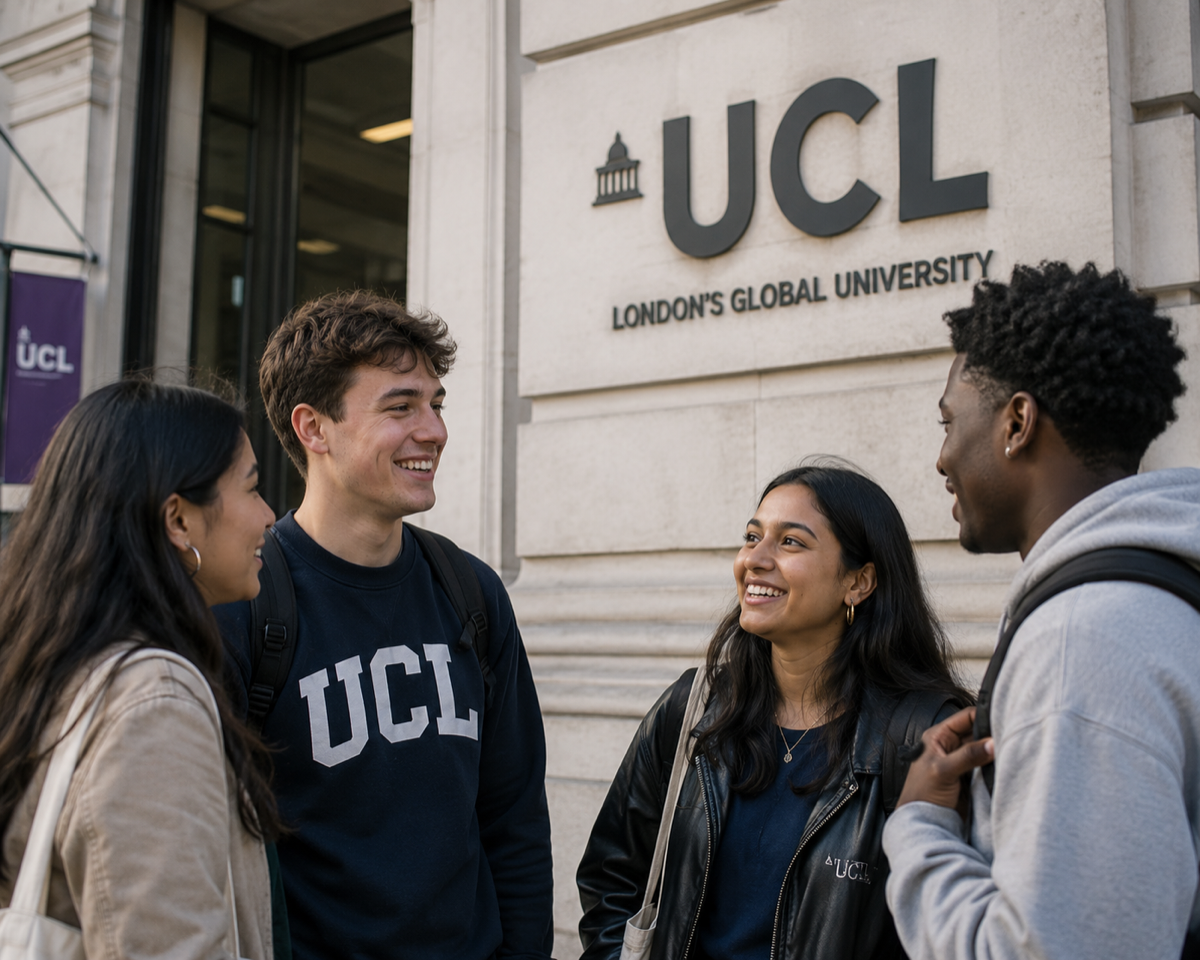
BA Danish and Serbian/Croatian
About this course
Danish and Serbian/Croatian is a language combination that connects two distinct but equally significant parts of European linguistic and cultural life. Danish is the language of Denmark, a country with a distinctive cultural, political, and literary tradition and a major role in Scandinavian affairs. Serbian and Croatian are closely related South Slavic languages spoken in Serbia, Croatia, Bosnia and Herzegovina, and across parts of the Western Balkans, a region with a rich and complex history that has become increasingly important in European politics and international relations. This four-year full-time programme at University College London is taught within one of the UK's leading modern languages departments. You will develop proficiency in both Danish and Serbian/Croatian, studying grammar, spoken and written communication, and the literature and cultural history of the relevant countries. UCL's approach to language study takes the cultural, historical, and linguistic dimensions of each language seriously, and the programme develops both practical communicative ability and the kind of cultural depth that makes language study genuinely enriching. London provides access to Scandinavian and South East European cultural communities and to the international professional networks where these languages are most valuable. Graduates from this programme pursue careers in diplomacy, journalism, translation and interpretation, international business, international organisations, government, and academia. The Danish element connects you to Scandinavian business and culture, which has significant influence in architecture, design, sustainable development, and media. The Serbian/Croatian element opens opportunities in organisations working on Balkan affairs, EU enlargement, humanitarian work, and regional development. Postgraduate options include Slavic studies, Scandinavian studies, translation studies, and international relations, and UCL's research resources provide excellent support for further academic work in any of these areas.
Syllabus & Modules
Typical curriculumStudent Satisfaction
National Student Survey - 10 respondents (52% response rate)
Similarly Ranked Alternatives
What comes next? 🎓
Choosing the right university starts with choosing the right school. Explore transparent, data-driven school profiles powered by official DfE statistics.
Explore Schools on WhatSchool.ai →