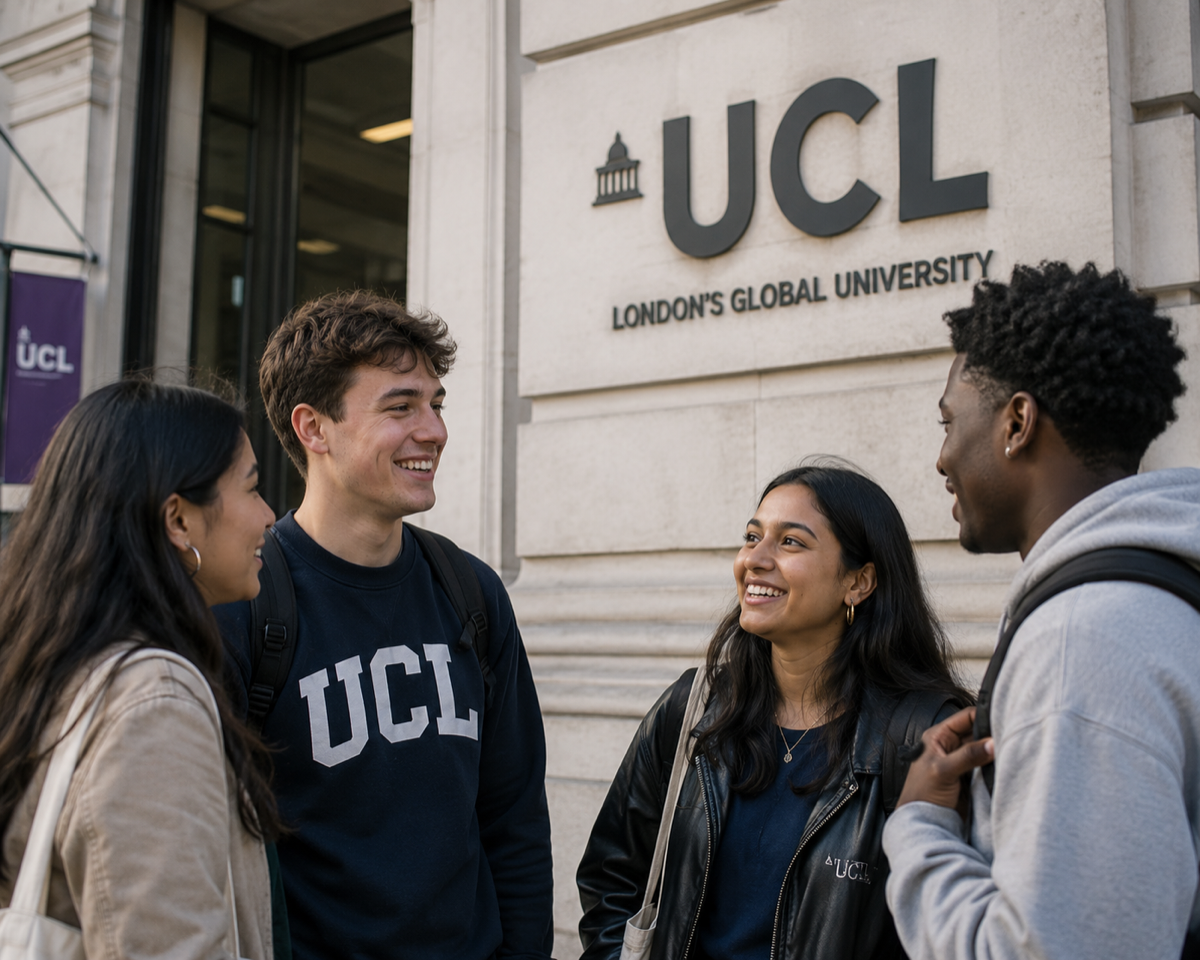
BA Czech and Ukrainian
About this course
Czech and Ukrainian is a language combination of unusual depth, pairing two Slavic languages whose histories are interwoven with some of the most momentous events in twentieth-century European history. Czech is the official language of the Czech Republic, a Central European country whose intellectual and cultural life has produced writers, filmmakers, and thinkers of international significance, from Franz Kafka and Milan Kundera to Vaclav Havel, and whose twentieth-century history, encompassing Nazi occupation, communist rule, and the Velvet Revolution, has generated some of the most important political and literary writing of the modern era. Ukrainian is the official language of Ukraine, a country of 40 million people whose history, culture, and contemporary situation have come sharply into international focus, a language with a rich literary tradition that has persisted through repeated attempts to suppress it. At University College London, this four-year full-time programme draws on UCL's School of Slavonic and East European Studies, which is one of the foremost centres for the study of Eastern European and Slavic languages and cultures in the world. SSEES has particular depth in both Czech and Ukrainian studies, combining rigorous language teaching with scholarly engagement with the literatures, histories, and cultures of both countries. You will develop advanced proficiency in both Czech and Ukrainian, study the literatures and cultures of both traditions, and engage with the historical and political contexts that have shaped them. The combination is academically demanding and professionally distinctive. Graduates move into careers in translation and interpreting, diplomacy, journalism, academia, international organisations, policy analysis, NGOs working in Eastern Europe, and education. The rarity of combined Czech and Ukrainian expertise is a meaningful professional asset, particularly given the sustained international attention on both countries.
Syllabus & Modules
Typical curriculumStudent Satisfaction
National Student Survey - 100 respondents (70% response rate)
Similarly Ranked Alternatives

What comes next? 🎓
Choosing the right university starts with choosing the right school. Explore transparent, data-driven school profiles powered by official DfE statistics.
Explore Schools on WhatSchool.ai →