BSc Criminology
About this course
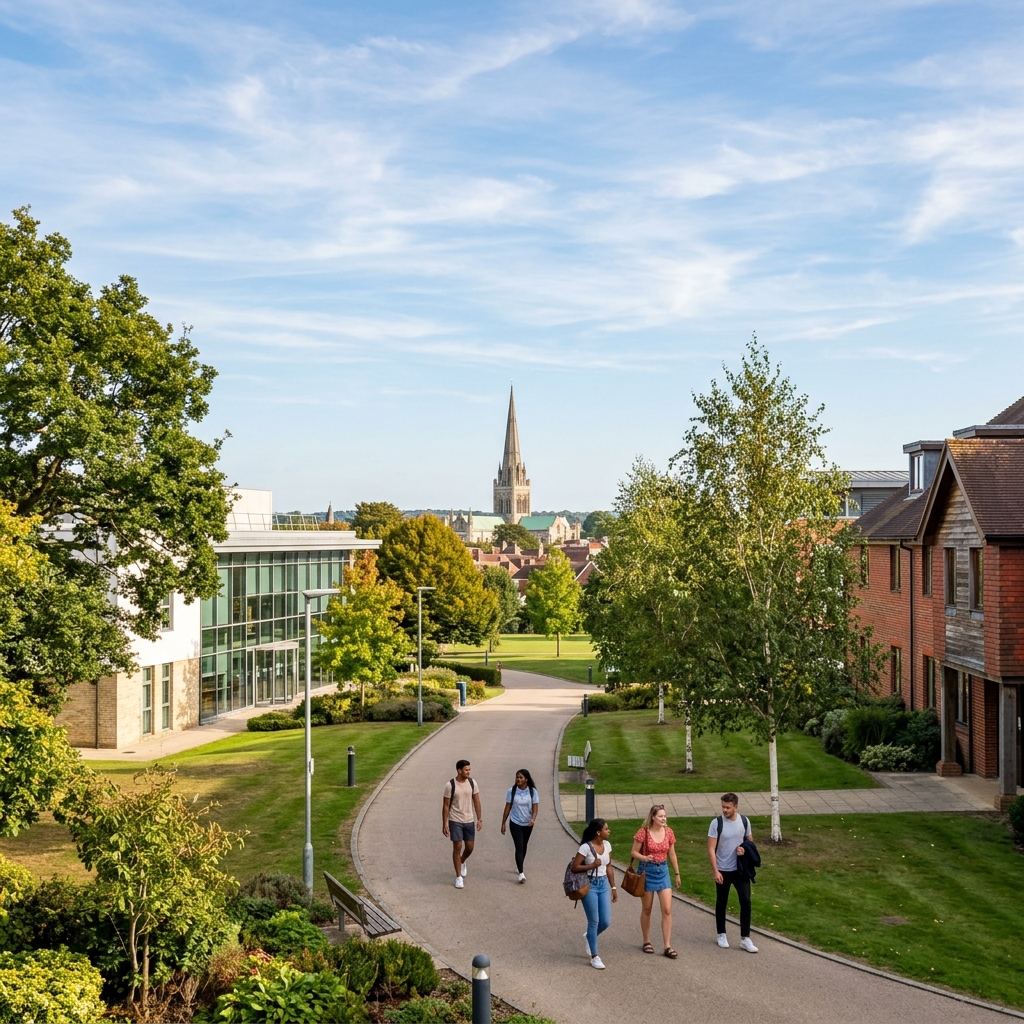
Criminology is the scientific study of crime, exploring why people commit offences, how society defines and responds to deviant behaviour, how the criminal justice system operates, and what works in reducing crime and supporting those affected by it. The discipline draws on sociology, psychology, law, philosophy and policy analysis, and it engages with some of the most pressing questions in contemporary public life, from policing and sentencing to victim care and the long-term social conditions that shape offending behaviour. At the University of Chichester this three-year full-time programme includes a foundation year for those who need additional academic preparation before engaging with degree-level study. The foundation year builds the skills and confidence needed to engage fully with the scientific and analytical content of the criminology degree. You will study crime theories, the criminal justice system, victimology, forensic science applications, policing, penology and social justice, developing both your understanding of criminal behaviour and your ability to evaluate evidence and construct arguments. The typical entry tariff for this programme is around 104 UCAS points. Chichester's location in the South East provides connections to the local criminal justice and social services community. Graduates of criminology programmes enter a wide range of careers within and beyond the criminal justice system. Probation, youth offending, prison service, social work, community development and victim support are among the most direct destinations. Others move into policy research, the third sector, community justice and drug and alcohol services. The analytical, research and communication skills developed on the degree are also valued in journalism, public administration and human resources. Many graduates pursue postgraduate study in criminology, criminal justice, social policy or law, and the scientific orientation of Chichester's approach provides a good foundation for research-based master's programmes.
Syllabus & Modules
Typical curriculumStudent Satisfaction
National Student Survey - 25 respondents (85% response rate)
Similarly Ranked Alternatives



What comes next? 🎓
Choosing the right university starts with choosing the right school. Explore transparent, data-driven school profiles powered by official DfE statistics.
Explore Schools on WhatSchool.ai →