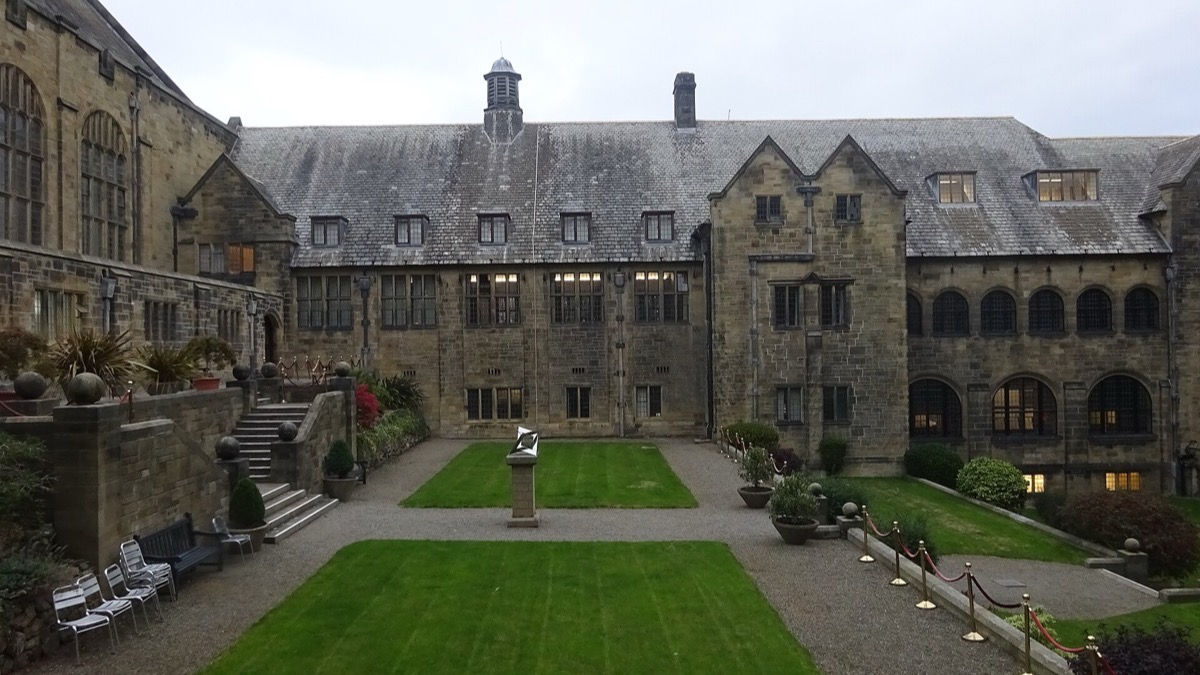
BA Creative Writing And Modern Languages
About this course
Creative writing and modern languages is a combination that develops two complementary ways of engaging with the world through words. Creative writing cultivates your ability to make things with language: stories, poems, scripts, essays, and other forms that communicate with imagination and craft. A modern language deepens your relationship with language itself, giving you access to another culture's literature and thought while developing the linguistic awareness and flexibility that bilingual study uniquely provides. The two disciplines nourish each other in productive ways. At Bangor University this four-year, full-time programme includes an optional foundation year and a sandwich year, with work placement opportunities also built in. Bangor's location in North Wales gives the programme a distinctive cultural dimension: the Welsh language and Welsh literary tradition are a living presence in this environment, and the question of how language carries culture is one that students in this setting encounter in immediate and concrete ways. You will develop your creative practice across fiction, poetry, scriptwriting, and other forms alongside your language learning, developing both the craft skills of a writer and the communicative confidence of a linguist. Graduates of creative writing and modern languages pursue careers in publishing, journalism, translation, language teaching, cultural organisations, the creative industries, and a wide range of roles where both linguistic versatility and the ability to write with skill and purpose are valued. Many find that the combination opens professional doors that neither subject alone would provide, particularly in roles that require communicating across languages and cultures, whether in international publishing, literary translation, cultural diplomacy, or media organisations with multinational audiences. Further study in creative writing, translation, comparative literature, or a modern language is available for those who want to develop their practice or expertise further.
Syllabus & Modules
Typical curriculumStudent Satisfaction
National Student Survey - 20 respondents (80% response rate)
Similarly Ranked Alternatives

What comes next? 🎓
Choosing the right university starts with choosing the right school. Explore transparent, data-driven school profiles powered by official DfE statistics.
Explore Schools on WhatSchool.ai →