BSc Creative Computing
About this course
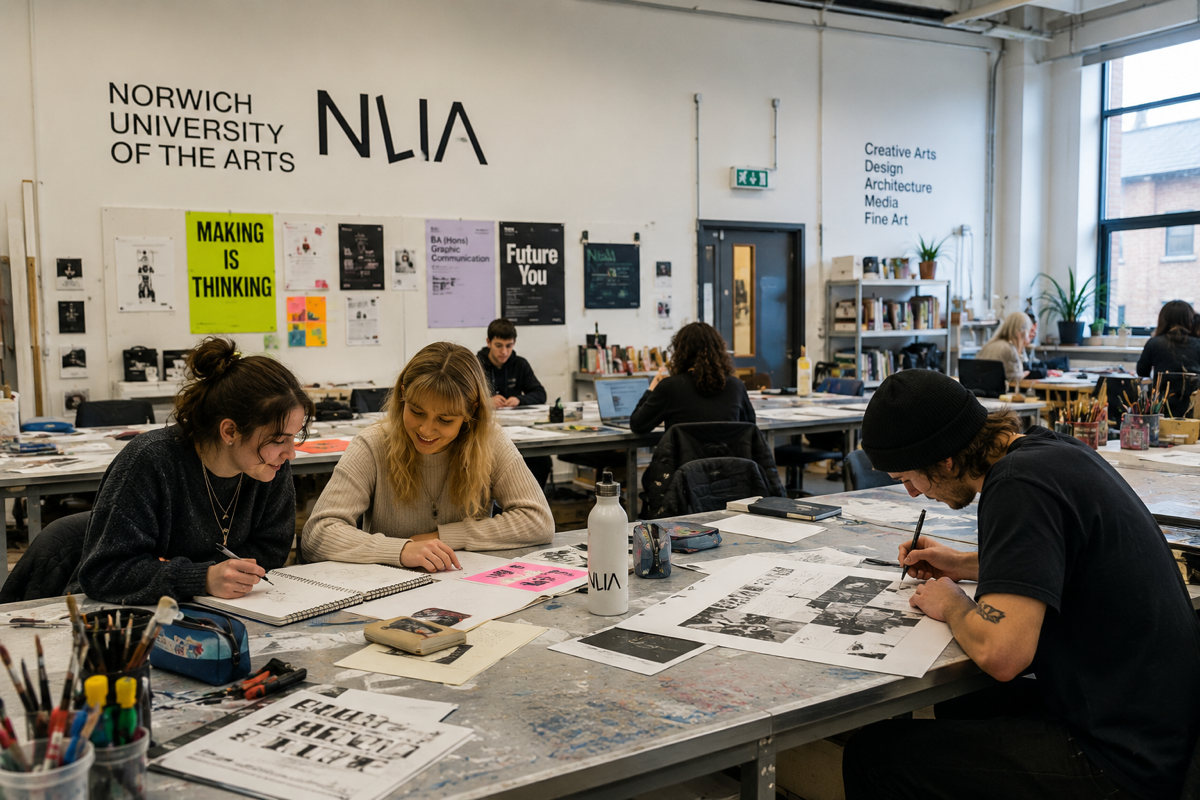
Creative computing is a discipline that sits at the boundary between technology and art, bringing computational thinking and programming skills into direct dialogue with creative practice. It is concerned with how code can be used as a creative medium, whether for interactive installations, generative art, immersive environments, machine learning applications, or physical computing projects that blend digital and material elements. As technology has become increasingly central to the arts, design, and cultural industries, the ability to combine technical fluency with creative vision has become one of the most valuable and distinctive skillsets available. At Norwich University of the Arts, this full-time, three-year BSc is designed to equip you with essential skills in creative programming and physical making. You will engage in hands-on projects that bridge the gap between digital and physical realms, exploring interactive installations, machine learning, and immersive experience design. The curriculum is built around collaboration, industry-standard practices, and an engagement with the contemporary issues and ideas shaping creative technology. You will develop a robust portfolio over the three years, demonstrating your creative and technical capabilities across different project types and contexts. The programme combines the technical rigour of a computer science education with the creative and critical orientation of an arts university, producing graduates who can work effectively at the intersection of both worlds. The typical entry tariff is 120 UCAS points. Graduates from creative computing programmes work in the creative technology sector, including roles in interactive design, immersive experience production, digital art, game design, user experience, creative agency work, and technology-led arts organisations. The combination of programming skill and creative practice is also valued in cultural institutions, broadcasting, advertising, and product design. Many graduates go on to found their own studios or build freelance practices. Postgraduate options in interaction design, creative technology, or art and science are available for those who wish to deepen their expertise.
Syllabus & Modules
Typical curriculumStudent Satisfaction
National Student Survey - 25 respondents (92% response rate)
Similarly Ranked Alternatives
What comes next? 🎓
Choosing the right university starts with choosing the right school. Explore transparent, data-driven school profiles powered by official DfE statistics.
Explore Schools on WhatSchool.ai →