BA Creative Arts and International Relations
About this course
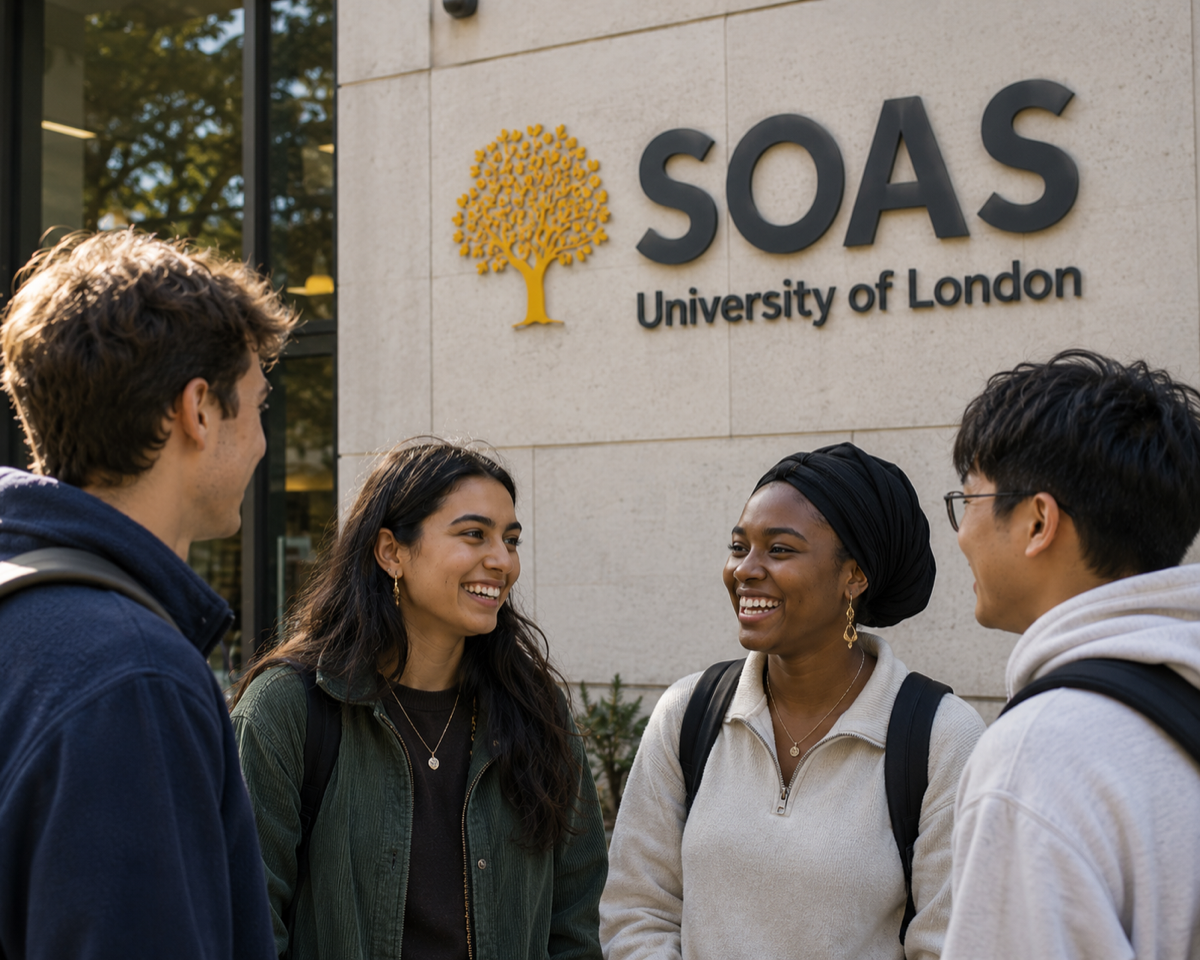
Creative arts and international relations is a combination that might seem counterintuitive but is, on reflection, deeply coherent. The creative arts have always been entangled with political and international questions: art documents conflict, challenges power, builds cultural diplomacy, and gives voice to communities whose perspectives are absent from official political discourse. International relations, meanwhile, is enriched by understanding how culture, representation, and artistic production shape and are shaped by geopolitical forces. Studying both together gives you a genuinely unusual set of tools for engaging with the world. At the School of Oriental and African Studies this three-year, full-time programme includes an optional foundation year. SOAS's distinctive identity as a university specialising in Asia, Africa, and the Middle East means that both the creative arts and the international relations taught here are framed by an awareness of the world beyond Europe and North America that is unusual and genuinely valuable. You will develop creative skills and critical understanding of artistic practice alongside the theoretical and empirical knowledge of international politics that the international relations component provides, with both disciplines informed by SOAS's global perspective. Graduates with this combination move into careers in cultural diplomacy, arts management, international development, journalism, curatorship, NGOs, think tanks, and organisations working at the intersection of culture and international affairs. The combination is particularly well suited to careers in cultural institutions with international missions, in development organisations that use creative approaches to advocacy and communication, and in the growing field of art and conflict or post-conflict cultural reconstruction. Many graduates continue to postgraduate study in international relations, art history, curatorship, or cultural policy, developing specialist expertise in a particular intersection of the two fields.
Syllabus & Modules
Typical curriculumStudent Satisfaction
National Student Survey - 170 respondents (64% response rate)
Similarly Ranked Alternatives



What comes next? 🎓
Choosing the right university starts with choosing the right school. Explore transparent, data-driven school profiles powered by official DfE statistics.
Explore Schools on WhatSchool.ai →