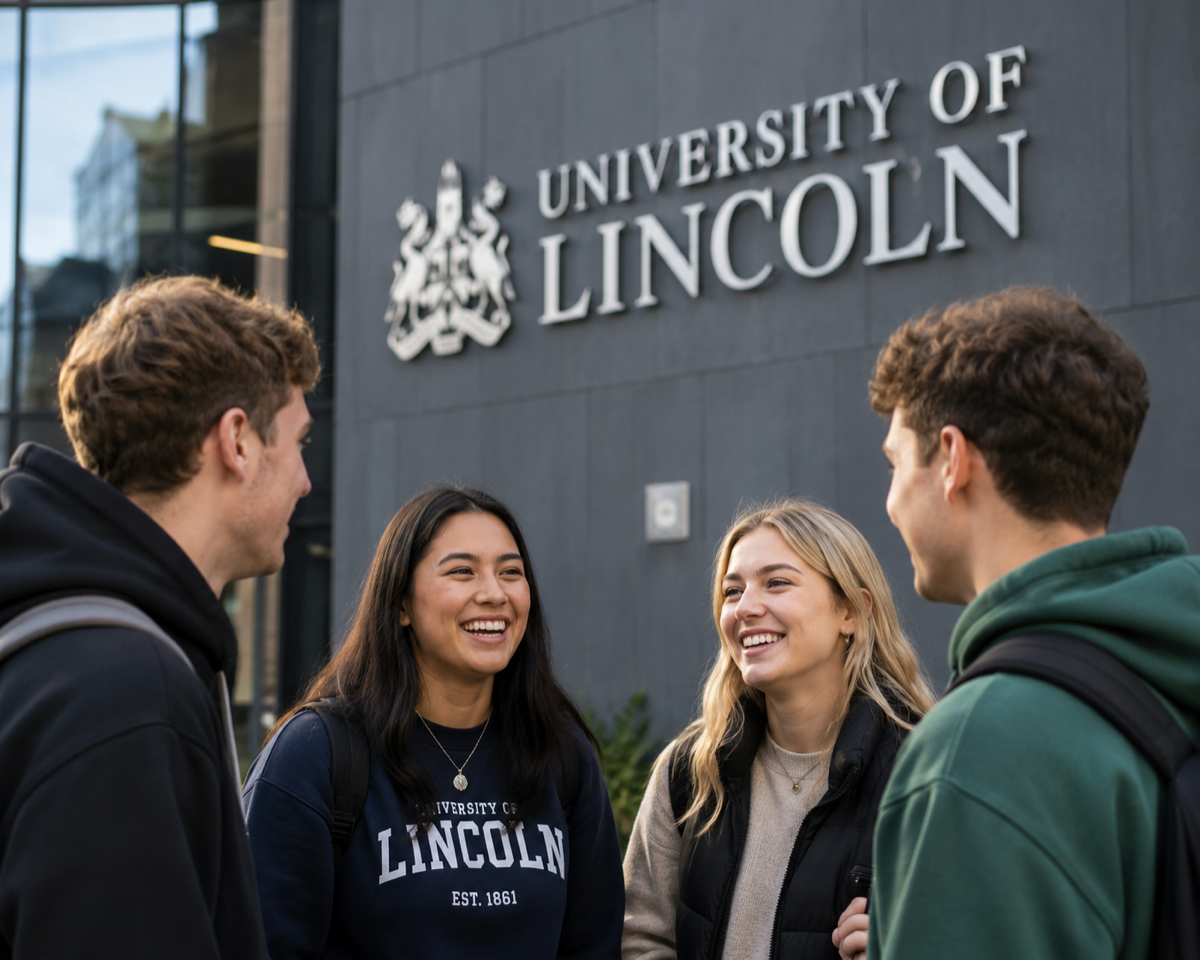
BA Creative Advertising with Arts Foundation Year
About this course
Creative advertising sits at the intersection of visual art, writing, psychology and commercial strategy. The most effective advertising campaigns do not just sell products; they construct narratives, build emotional connections and shape how brands are perceived in the culture. Learning to create advertising well means learning to think visually and verbally at the same time, to understand the audiences you are trying to reach, and to express ideas with economy and impact across different media and formats. At Lincoln, this four-year programme begins with an arts foundation year, which provides a broad interdisciplinary introduction to creative practice before you move into the specialist advertising degree. The foundation year is designed to develop your creative confidence and technical vocabulary across a range of disciplines, giving you a richer set of visual and conceptual tools to bring to advertising work. The programme includes a sandwich year placement and integrated work experience, both of which are valuable in a discipline where industry connections and practical portfolio work are crucial to employability. The typical entry tariff is 120 points. You will develop skills in concept generation, art direction, copywriting, campaign planning and the translation of ideas across media. You will learn to work in creative partnerships, which is how advertising agencies actually operate, and to present and defend your ideas with conviction. The placement year gives you the opportunity to test these skills in a live professional environment before completing your degree, building the industry network and portfolio that employers look for. Graduates from creative advertising programmes work as art directors, copywriters, creative directors, brand strategists, account managers and digital creative professionals in advertising agencies, in-house creative teams, media companies and the broader design and marketing sector. The skills developed, visual thinking, persuasive writing, audience insight and creative problem-solving, also transfer into related roles in content creation, social media strategy, film and television production and brand management. Postgraduate study in advertising, marketing or visual communication is another route for those seeking further specialisation.
Syllabus & Modules
Typical curriculumStudent Satisfaction
National Student Survey - 115 respondents (79% response rate)
Similarly Ranked Alternatives


What comes next? 🎓
Choosing the right university starts with choosing the right school. Explore transparent, data-driven school profiles powered by official DfE statistics.
Explore Schools on WhatSchool.ai →