MA Computing Science/History of Art
About this course
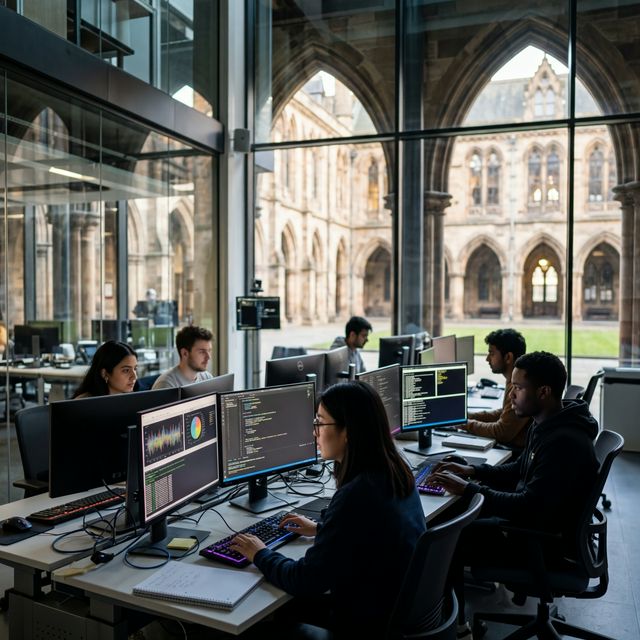
Computing science and history of art is an unusual pairing that is growing in relevance as the digital transformation of the arts, heritage, and cultural sectors accelerates. Computing science is a discipline of extraordinary breadth, encompassing programming, software engineering, algorithm design, human-computer interaction, artificial intelligence, information retrieval, and the engineering of complex systems. History of art develops the capacity for visual analysis, cultural interpretation, and critical thinking about how and why objects come to look the way they do and what they mean to those who make and encounter them. At the University of Glasgow you will study part-time, with a year abroad that extends your academic experience internationally. The computing science strand covers the technical foundations of the discipline alongside more advanced topics in areas such as artificial intelligence, big data systems, and human-computer interface design, building the programming skills and systems thinking that define a computing professional. The history of art strand develops your ability to look and interpret carefully, to place visual and material culture in historical and cultural context, and to engage with the theoretical frameworks that art historians use. The two disciplines increasingly speak to each other: digital heritage, computational analysis of artworks, museum informatics, and the design of digital cultural experiences all sit at their intersection, and the combination gives you a distinctive profile in fields where both sets of skills are needed. Graduates of this combination work in museum and gallery technology roles, digital humanities research, heritage informatics, user experience design for cultural institutions, and creative technology more broadly. The computing skills open doors in software development, data science, and technology consultancy, while the history of art background is valued by cultural institutions of all kinds. Further study at postgraduate level in digital humanities, human-computer interaction, computing, or art history is a natural progression for those who wish to develop a more specialised research or professional practice at the intersection of the two fields.
Syllabus & Modules
Typical curriculumStudent Satisfaction
Missing Satisfaction Data
The university has not shared complete student satisfaction records for this specific degree metrics block. You may want to formally explore these topics with the university staff at an open day before committing.
What comes next? 🎓
Choosing the right university starts with choosing the right school. Explore transparent, data-driven school profiles powered by official DfE statistics.
Explore Schools on WhatSchool.ai →