MA Computing Science/English Literature
About this course
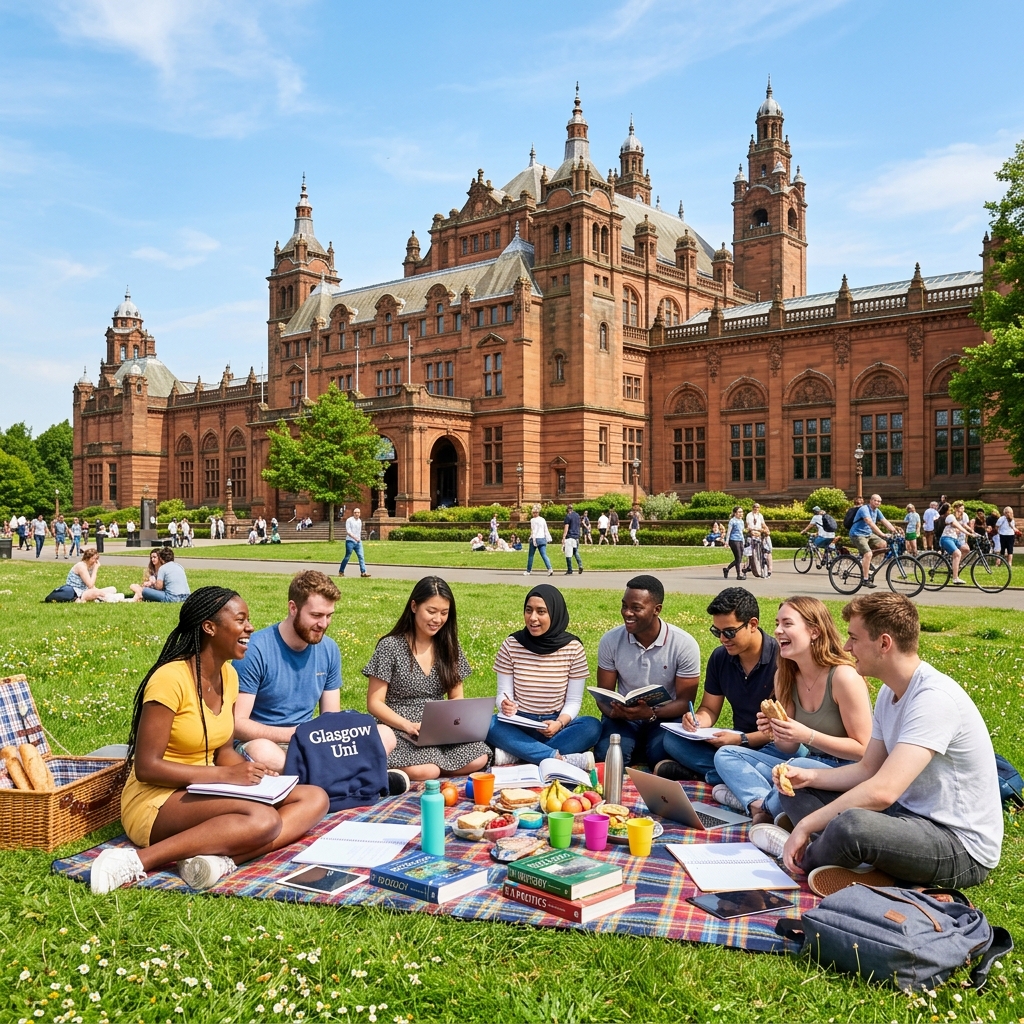
Computing science and English literature may seem an unusual pairing, but the combination has a logic that becomes clearer the more you think about it. Both disciplines are fundamentally concerned with how meaning is created, transmitted and interpreted: one through code and systems, the other through language and narrative. Together they equip you to think precisely and formally about structures while also cultivating the sensitivity to context, culture and interpretation that literature demands. In a world where software is everywhere and the communication of technical ideas has never mattered more, this combination offers genuine intellectual breadth. At the University of Glasgow, this four-year full-time degree gives you a thorough education in both fields. In computing science you will cover programming, software engineering, algorithms, artificial intelligence, human-computer interaction, networks and data systems, building from the fundamentals through to advanced topics in your later years. In English literature you will read widely across periods and traditions, from early modern writing to contemporary fiction and poetry, developing close reading skills, literary-critical argument and an understanding of how texts have functioned across very different cultural moments. The programme includes a year abroad, giving you the chance to spend time studying at a partner university in another country and to develop your independence alongside your academic work. Typical entry is around 200 UCAS tariff points. Graduates from this combination move into technology roles where communication, ethics and humanistic understanding are assets, including technical writing, UX research, digital humanities, content and editorial roles in the technology sector, policy work in digital governance and research. Others follow paths driven more by the literary side, working in publishing, journalism, education or the arts while carrying a technical confidence that is increasingly valued in those fields. Postgraduate routes include specialisation in either discipline, digital humanities research, or computing science conversion programmes for those who want to develop their technical skills further.
Syllabus & Modules
Typical curriculumStudent Satisfaction
National Student Survey - 140 respondents (68% response rate)
Similarly Ranked Alternatives

What comes next? 🎓
Choosing the right university starts with choosing the right school. Explore transparent, data-driven school profiles powered by official DfE statistics.
Explore Schools on WhatSchool.ai →