BA Childhood and Youth Studies
About this course
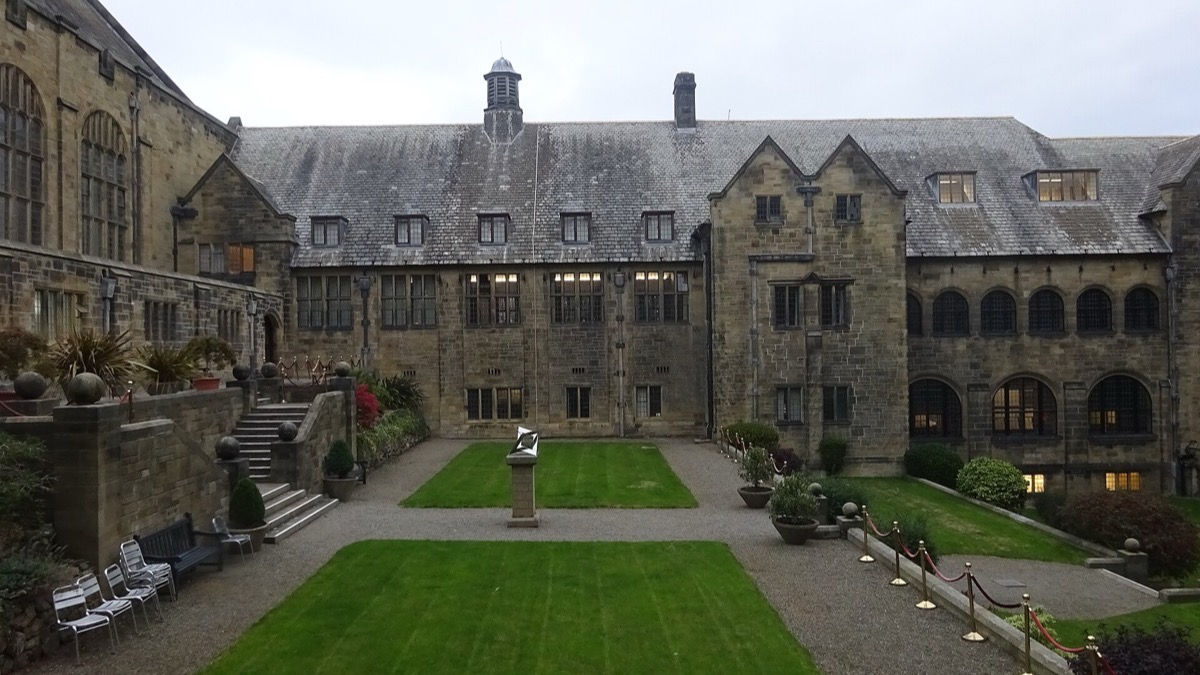
Childhood and youth studies is a broad, interdisciplinary field that examines the lives, rights, development, and social circumstances of children and young people. Drawing on sociology, psychology, education, social policy, and social work, it asks how childhood and adolescence are understood and constructed in different cultural and historical contexts, how institutions shape the experiences of young people, and what effective practice looks like for those who work alongside children and young people in professional roles. The field is genuinely applied as well as theoretical, connecting academic understanding to the realities of practice. At Bangor University, this three-year, full-time degree develops your knowledge of childhood and youth in their full complexity. You will engage with theories of child development, social policy frameworks, safeguarding, participation, and the diverse contexts in which children and young people grow up, from schools and families to care settings and communities. A sandwich year, a year abroad, and a work placement are all available as part of the programme, giving you the opportunity to gain professional experience working with children and young people in different settings, and to study the subject in a different national context. Bangor's location in north Wales provides a distinctive setting with particular proximity to Welsh-medium education and bilingual professional contexts. The typical entry tariff of 88 points reflects an accessible and inclusive approach to admissions. Childhood and youth studies graduates work in early years settings, schools, youth work, children's services, social care, educational support, family support, and the voluntary sector. Many go on to professional training as social workers, teachers, educational psychologists, or youth workers, using the degree as an academic foundation before undertaking postgraduate professional qualifications. Others work in research, policy, or advocacy roles focused on children and young people's rights and wellbeing. The combination of theoretical grounding and practical experience makes graduates well prepared for a wide range of child-focused roles.
Syllabus & Modules
Typical curriculumStudent Satisfaction
National Student Survey - 20 respondents (74% response rate)
Similarly Ranked Alternatives


What comes next? 🎓
Choosing the right university starts with choosing the right school. Explore transparent, data-driven school profiles powered by official DfE statistics.
Explore Schools on WhatSchool.ai →