BA Business Economics
About this course
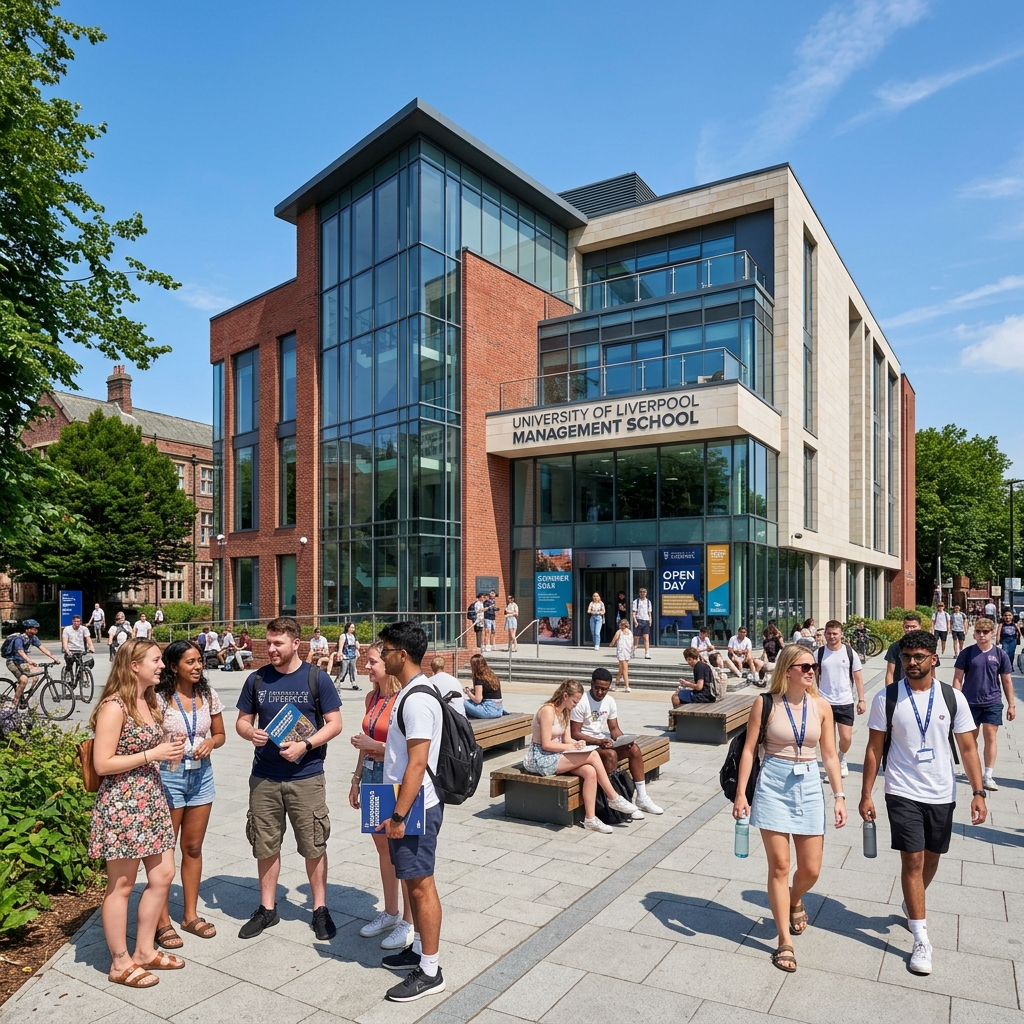
Business economics occupies a distinctive position between the rigour of academic economics and the practical concerns of business and management. It applies the analytical frameworks of economics directly to the challenges that businesses face: how firms set prices, how markets are structured, how competitive strategy works, how regulation affects business decisions, and how macroeconomic conditions shape the environment in which companies operate. It is a degree for people who want to understand business through an economic lens rather than through the management perspective alone. At the University of Liverpool, the three-year full-time BA is taught by academics who are active researchers in their fields, ensuring that the curriculum reflects current thinking in economics and business. The programme has professional recognition from the Government Economic Service, which is a mark of quality that is particularly valued for those interested in careers in government economic roles. You will study microeconomics and macroeconomics at a rigorous level alongside applied business topics, developing strong analytical and quantitative skills. The degree includes a year abroad, giving you the opportunity to study business economics in a different national and economic context. Liverpool has a strong economy with particular strengths in logistics, the creative industries, finance and the broader professional services sector. The university's connections with regional and national employers enrich the degree's practical relevance. Graduates work in business analysis, economic consultancy, the civil service, financial services, the technology sector, international organisations and corporate strategy. The Government Economic Service recognition makes the degree a strong preparation for roles in government economic analysis and policy. Postgraduate study in economics, finance, business administration or public policy is a natural continuation for those who want to develop specialist expertise or pursue senior roles.
Syllabus & Modules
Typical curriculumStudent Satisfaction
National Student Survey - 25 respondents (63% response rate)
Similarly Ranked Alternatives



What comes next? 🎓
Choosing the right university starts with choosing the right school. Explore transparent, data-driven school profiles powered by official DfE statistics.
Explore Schools on WhatSchool.ai →