High Drop-out Rate Alert
26% of students drop out or transfer from this specific course. Consider asking why on an open day.
BSc Business Computing
About this course
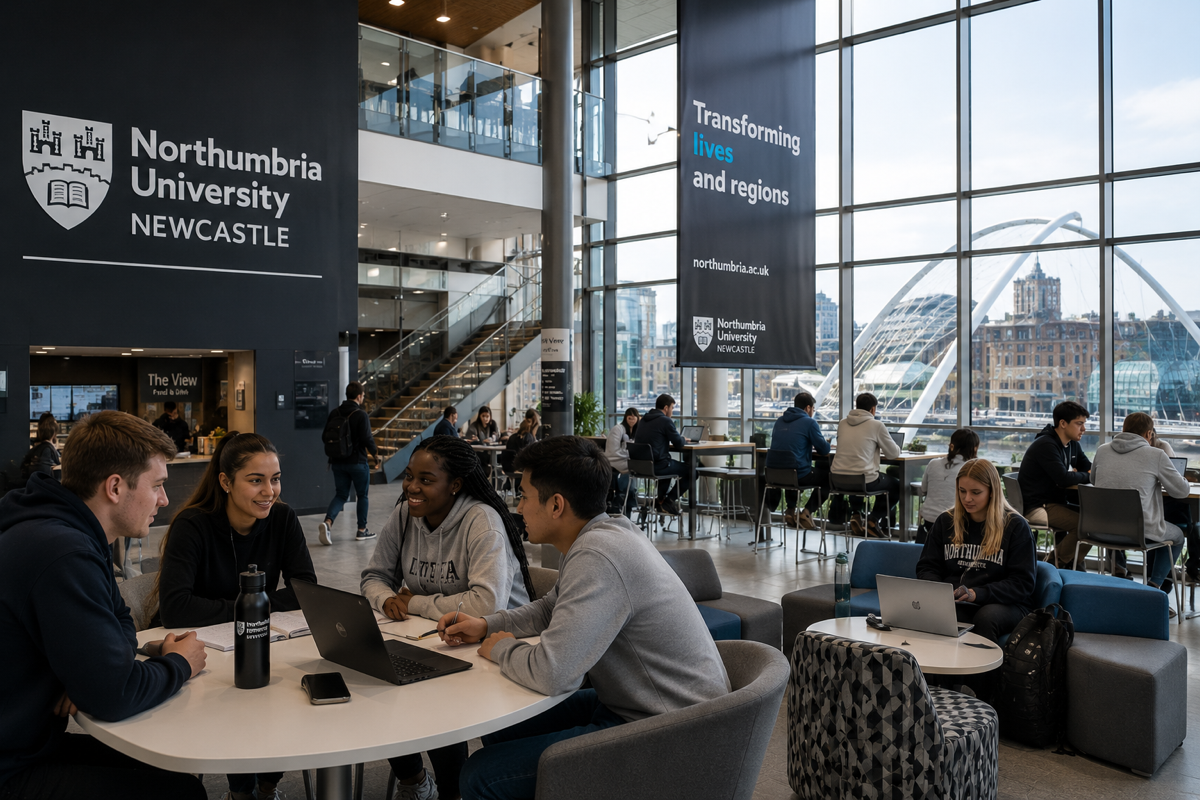
Business computing brings together the disciplines of computer science and business management, preparing graduates to work at the interface between technology and organisational life. Organisations of every kind depend on digital systems, from databases and enterprise software to e-commerce platforms, analytics tools, and cybersecurity infrastructure, and they need people who understand both the technical capabilities and limitations of those systems and the business contexts in which they operate. Business computing graduates speak both languages. At the University of Northumbria at Newcastle, this three-year, full-time programme includes a sandwich year, a year abroad, and a work placement, making it a structurally rich degree that combines academic study with substantial professional and international experience. The sandwich year and placement give you direct experience of working in a business computing environment before your final year, while the year abroad adds an international dimension to your understanding of how digital systems and business practices vary across cultures and markets. Across the programme you will study programming and software development, databases and information systems, business process modelling, project management, data analytics, web development, and the strategic management of technology within organisations. A typical entry tariff of 120 UCAS points reflects the programme's expectations at Northumbria. Business computing develops both technical competence and business awareness, along with the professional experience needed to operate effectively in real organisational environments from the start of your career. Graduates work in IT project management, systems analysis, business analysis, software development, digital transformation consultancy, e-commerce, and technology management roles across a wide range of sectors. The combination of technical and business skills is particularly valued by employers who need professionals who can bridge the gap between IT and the rest of the business. Postgraduate study in computing, business administration, or data science is also a natural next step.
Syllabus & Modules
Typical curriculumStudent Satisfaction
National Student Survey - 90 respondents (73% response rate)
Similarly Ranked Alternatives



What comes next? 🎓
Choosing the right university starts with choosing the right school. Explore transparent, data-driven school profiles powered by official DfE statistics.
Explore Schools on WhatSchool.ai →