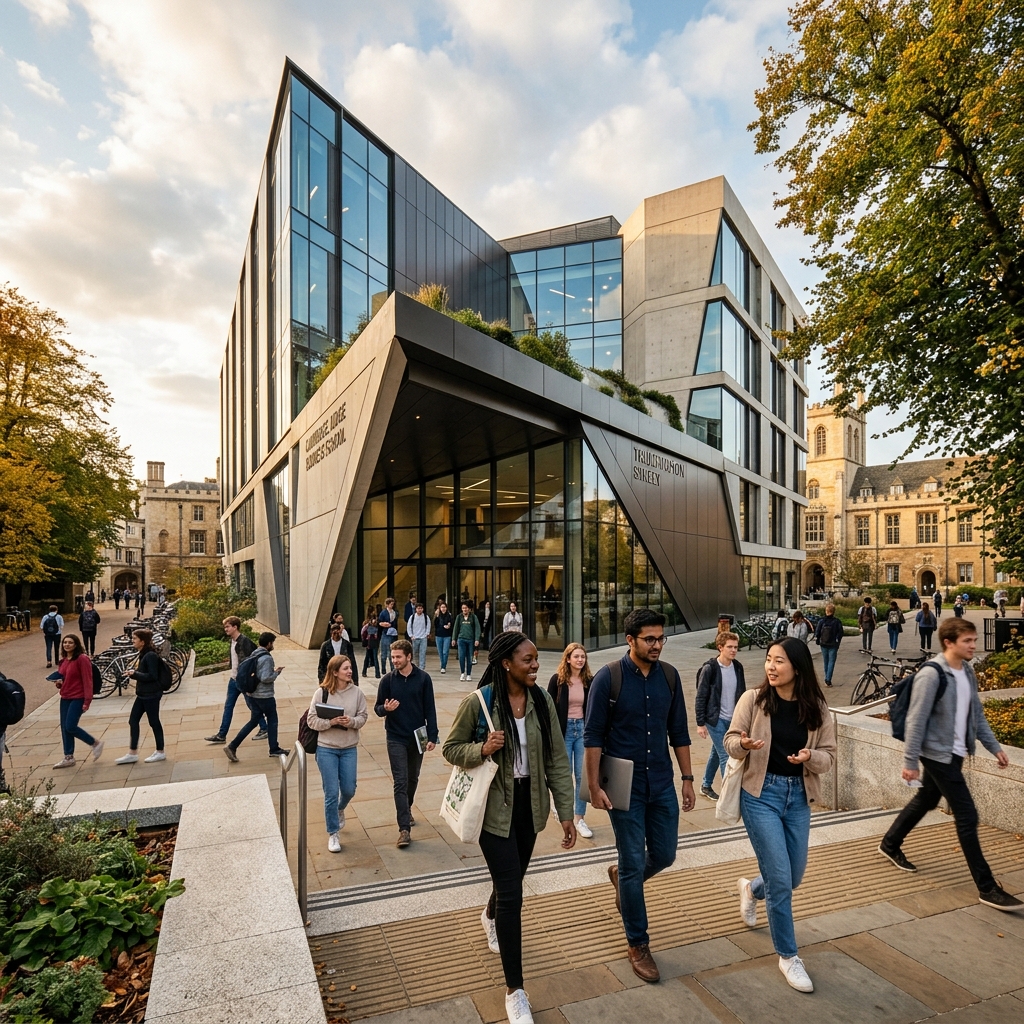
BEng Biomedical Engineering
About this course
Biomedical engineering applies engineering principles and analytical methods to problems in biology and medicine, designing the devices, systems, and processes that underpin modern healthcare delivery. The discipline spans prosthetics and orthotics, diagnostic imaging, physiological monitoring, drug delivery, and the modelling of biological systems, and it requires graduates who are fluent in both engineering science and the clinical and biological contexts in which their work operates. As medical technology becomes ever more central to patient care, the demand for engineers who can work at this intersection has grown steadily. At Anglia Ruskin University, this part-time programme allows you to develop expertise in biomedical engineering at a pace that suits your existing commitments, whether you are already working in a healthcare or engineering environment or managing other responsibilities alongside your studies. You will engage with the core principles of the discipline, including biomechanics, bioelectronics, materials for clinical applications, and the regulatory and ethical dimensions of developing products for use in patient care. Anglia Ruskin has received recognition for the quality of its education, and its biomedical engineering provision is built on a commitment to practical, applied learning that connects academic knowledge to professional practice. Biomedical engineering graduates work in the medical devices industry, NHS clinical engineering and medical physics departments, pharmaceutical companies, and healthcare technology organisations. Roles include medical device engineer, clinical engineer, research and development engineer, biomechanics analyst, and regulatory affairs specialist. The interdisciplinary nature of the degree also opens opportunities in materials science, electronics, and healthcare management. Many graduates go on to postgraduate study in biomedical engineering, clinical science, or a specialist area of the life sciences, and the part-time route is particularly well suited to those who want to develop their professional qualifications while continuing to work.
Syllabus & Modules
Typical curriculumStudent Satisfaction
Missing Satisfaction Data
The university has not shared complete student satisfaction records for this specific degree metrics block. You may want to formally explore these topics with the university staff at an open day before committing.
What comes next? 🎓
Choosing the right university starts with choosing the right school. Explore transparent, data-driven school profiles powered by official DfE statistics.
Explore Schools on WhatSchool.ai →