
BSc Biochemistry with German for Science
About this course
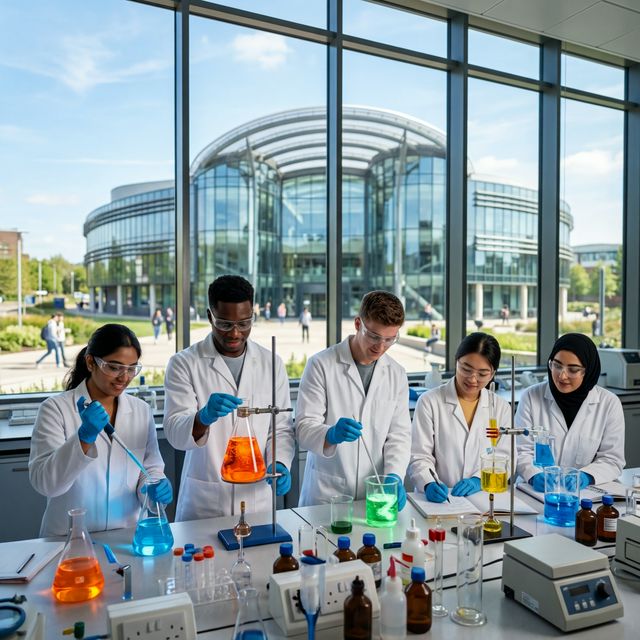
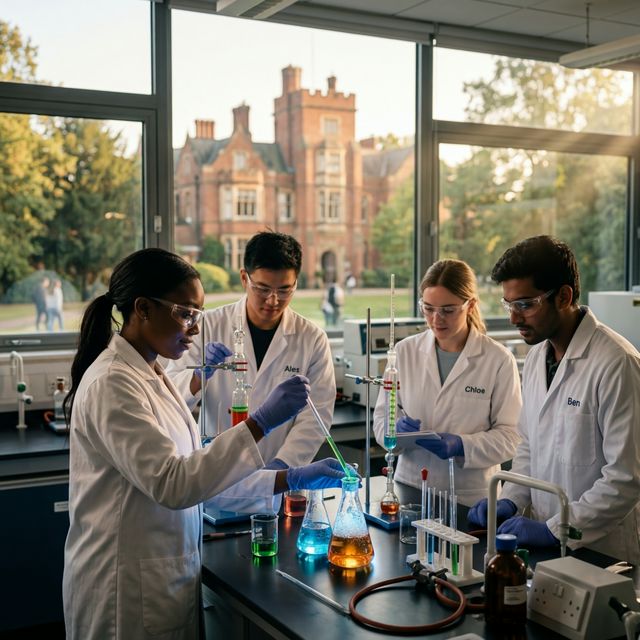
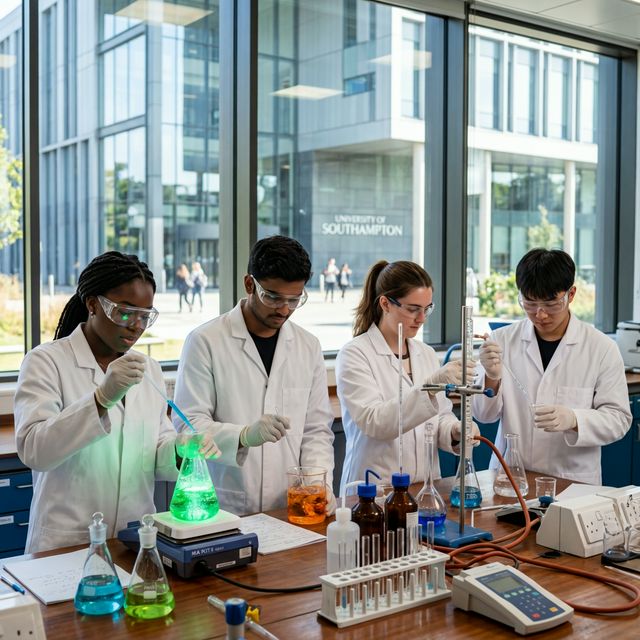
Biochemistry is the science of life at the molecular level, concerned with the chemical processes and compounds that underlie all biological activity. It investigates how proteins fold and function, how genes are expressed and regulated, how cells communicate and respond to their environments, and how metabolic pathways sustain life. It is a discipline that sits at the frontier of medicine, agriculture, biotechnology, and fundamental biological research, and one in which knowledge advances rapidly. At Imperial College of Science, Technology and Medicine this four-year full-time programme deepens your understanding of biochemistry at one of the world's leading science and technology universities while also developing your proficiency in German. The German for science component of the degree gives you the linguistic access to one of the world's most important scientific communities, where Germany, Austria, and Switzerland together represent a major centre of pharmaceutical, chemical, and biomedical research. The fourth year includes a period spent at an approved university in Germany, providing genuine immersion in a German-speaking academic environment and strengthening both your language skills and your international scientific networks. The typical entry tariff of 168 points reflects the high academic demands of a biochemistry degree at Imperial. You will develop deep understanding of molecular biology and biochemical systems alongside the analytical, laboratory, and quantitative skills that make biochemistry graduates valuable in research and industry. The language component adds a distinctive and marketable dimension that relatively few science graduates can offer. Graduates go on to work in pharmaceutical and biotechnology research, clinical biochemistry, science journalism, science policy, and international research organisations. The combination of biochemistry and German is particularly valuable for roles with European pharmaceutical and biotech companies. Postgraduate study at doctoral level is a common route for those wanting to pursue research careers.
Syllabus & Modules
Typical curriculumStudent Satisfaction
National Student Survey - 135 respondents (71% response rate)
Similarly Ranked Alternatives

What comes next? 🎓
Choosing the right university starts with choosing the right school. Explore transparent, data-driven school profiles powered by official DfE statistics.
Explore Schools on WhatSchool.ai →