BSc Biochemistry
About this course
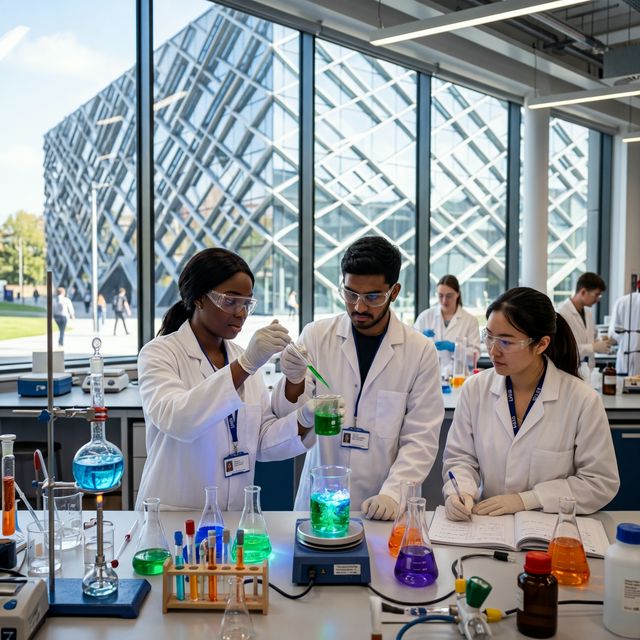
Biochemistry probes the molecular foundations of life, using the tools of chemistry to understand how proteins, nucleic acids, lipids, and carbohydrates are built and how they function within the exquisitely organised environments of cells and organisms. It is a discipline that sits at the interface of chemistry and biology, and its methods have been central to many of the most significant advances in medicine and biotechnology over the past several decades, from the development of new drugs to the sequencing of the human genome and the engineering of biological systems for new purposes. At the University of Sheffield, this three-year full-time Biochemistry degree takes you from the fundamental chemistry of biological molecules through to the sophisticated molecular mechanisms that sustain life, with extensive laboratory work throughout that puts your knowledge and skills into practice. The programme includes a sandwich year, giving you the opportunity to work in a research or industrial setting for a full year before completing your degree, as well as a year abroad and a work placement. These structural features are particularly valuable in biochemistry, where the gap between academic knowledge and professional laboratory competence is closed most effectively by genuine experience in working research and industrial environments. Biochemistry graduates from Sheffield are well placed for careers in the pharmaceutical and biotechnology industries, in clinical and academic research, and in the broad range of roles that require sophisticated scientific understanding combined with laboratory expertise. Drug discovery, protein engineering, genomics, molecular diagnostics, regulatory science, and science communication are among the well-established destinations. Many graduates go on to doctoral research, and the sandwich year and international experience provide strong preparation for competitive postgraduate programmes. Those who do not pursue further scientific training move into roles in teaching, scientific publishing, patent law, and data science, where the analytical rigour of a biochemistry training is broadly applicable.
Syllabus & Modules
Typical curriculumStudent Satisfaction
National Student Survey - 15 respondents (89% response rate)
Similarly Ranked Alternatives
What comes next? 🎓
Choosing the right university starts with choosing the right school. Explore transparent, data-driven school profiles powered by official DfE statistics.
Explore Schools on WhatSchool.ai →